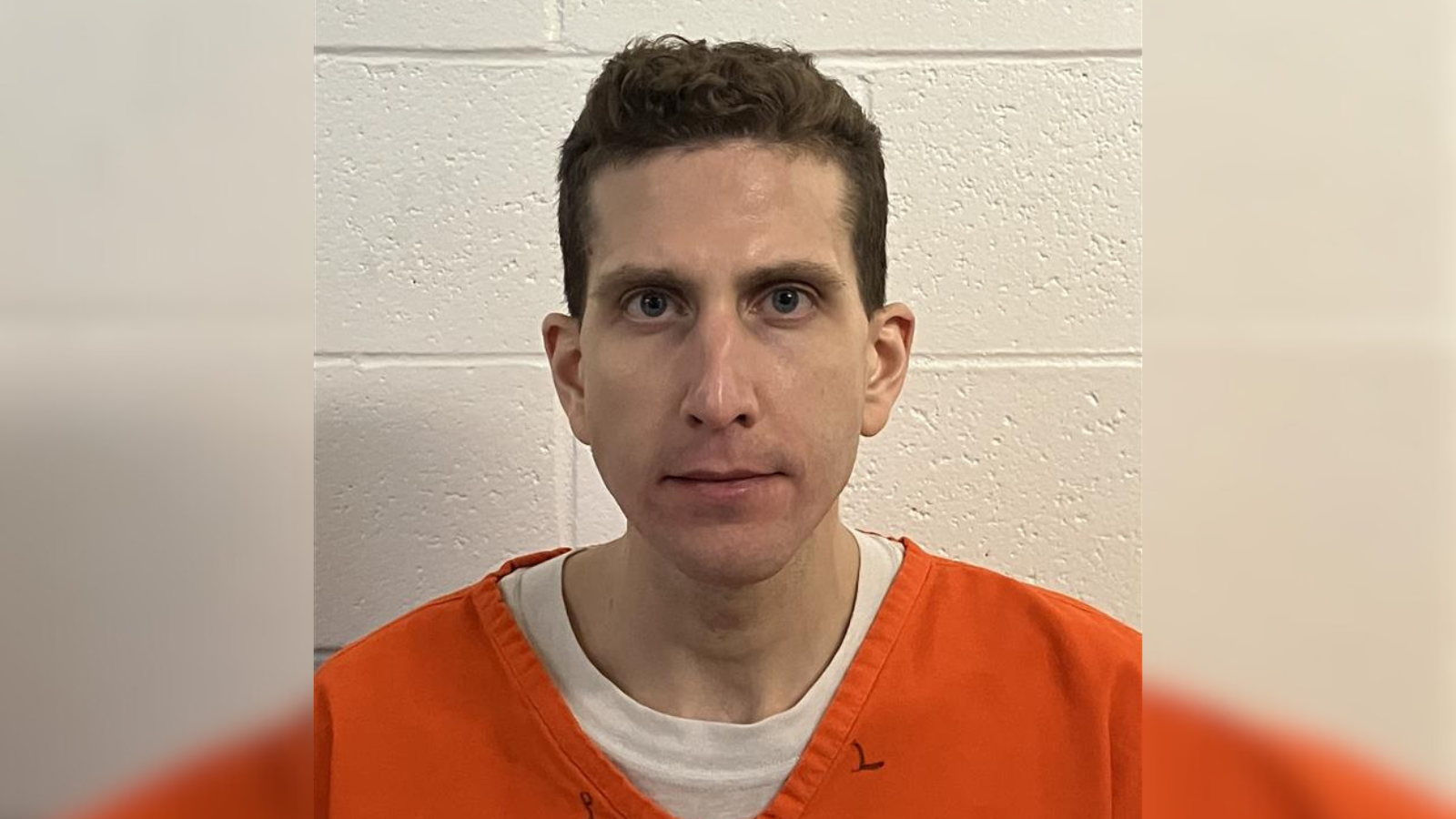
MOSCOW, Idaho — Bryan Kohberger filed a petition this week seeking post-conviction relief in an attempt to withdraw his guilty plea in the murders of four University of Idaho students: Madison Mogen, Xana Kernodle, Ethan Chapin, and Kaylee Goncalves.
The legal process ahead presents several obstacles. If successful with his petition, Kohberger would still face trial for all four murders, and the death penalty would remain on the table. But first, he must prove his case in a civil lawsuit that requires demonstrating he received ineffective legal counsel.
“That challenge says I am being held in violation of my state or federal constitutional rights and I am bringing a lawsuit against the warden or the keeper, to be released,” said Jordan Gross, a law professor at the University of Idaho, explaining the legal framework of post-conviction relief petitions.
Kohberger’s petition centers on claims that his legal team failed to provide adequate representation before he agreed to the plea deal. He alleges evidence was withheld from him and that he was coerced into signing the agreement.
To succeed, Kohberger will need to meet a specific legal standard. “He would need to show that his attorney’s conduct fell below an objective standard of reasonableness. So that means that the attorney did something that was not strategic. If an attorney makes a strategic decision, those are almost unreviewable,” Gross said.
This distinction is critical. Attorneys have significant latitude in making strategic decisions during legal representation. Kohberger must prove his counsel’s actions were not merely strategic choices but rather fell below what a reasonable attorney would do under similar circumstances.
While post-conviction relief petitions are not uncommon, Gross noted that cases with the types of claims Kohberger is making are rare to succeed. The burden of proof rests entirely on Kohberger to demonstrate that constitutional violations occurred and that those violations were serious enough to justify allowing him to withdraw his guilty plea.
The legal process is likely to be lengthy. Cases of this nature typically consume significant time, and many petitioners abandon their efforts before their cases are heard in court. The extended timeline and demanding evidentiary requirements often discourage those pursuing post-conviction relief.
If Kohberger’s petition advances, the civil trial could include testimony from witnesses and evidence that has not been previously discussed publicly. This could encompass new forensic evidence or other materials relevant to his claims of inadequate representation.
One piece of evidence Kohberger referenced in his petition is an unidentified hair found in the hands of victim Ethan Chapin at the crime scene. The origin and significance of this hair have not been previously detailed in public proceedings.
For Kohberger to succeed, he will need to demonstrate not only that his legal counsel was deficient but also that this deficiency prejudiced his case — meaning the outcome would have been different had he received adequate representation. This two-prong test is difficult to satisfy, particularly in cases where a defendant has already entered a guilty plea.
COPYRIGHT 2026 BY KXLY. ALL RIGHTS RESERVED. THIS MATERIAL MAY NOT BE PUBLISHED, BROADCAST, REWRITTEN OR REDISTRIBUTED.