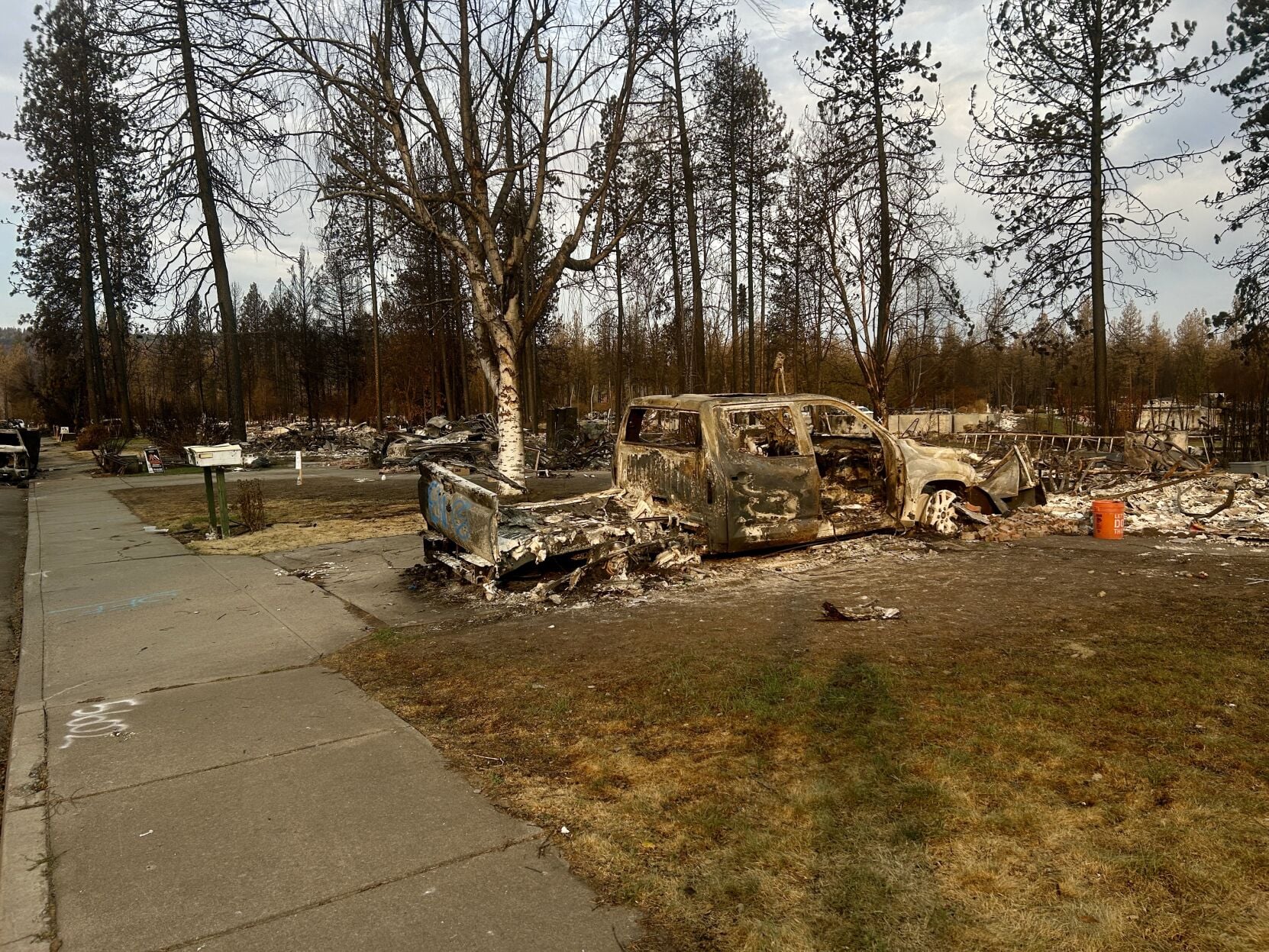
SPOKANE — One month after the Spokane Complex fires consumed neighborhoods and left devastation in their wake, survivors face a new reality: the flames are out, but the recovery work is just beginning.
The August 1st fires destroyed hundreds of homes and burned more than 10,000 acres across Spokane and Stevens County. Now, families are grappling with challenges that extend far beyond the physical destruction.
“A lot of people when they look at a disaster response they think its homes, its roads, its infrastructure. It is so much more. It’s people losing routine, losing their comforts, their securities. We see a lot of stress and uncertainty,” said Lacie Clark, Executive Director of the American Red Cross Inland Northwest Chapter.
The Spokane Region Long Term Recovery Group reports that many survivors feel overwhelm and uncertain about their path forward. Insurance claims and regulatory requirements have emerged as the most daunting tasks.
Renters face particular hardship, especially those without renters’ insurance, said the SRLTRG. If you’re struggling with the insurance process, SRLTRG encourages you to reach out to the WA State Insurance Commissioner Consumer Protection Division.
The SRLTRG, which grew out of previous wildfire disasters, is preparing to begin case management work as recovery shifts from emergency response to intermediate and long-term phases. You can contact them through srltrg.org/contact-us/
Trauma Extends Beyond Physical Loss
Psychologists note that disaster survivors typically experience several stages of adjustment after losing their homes.
“The best advice is don’t try and do it alone. Because there’s people that want to help. Recognize that there is more to it than just finding a new place to sleep. It’s saying you know I need someone to talk to. Sometimes that is one of the most important ways to move forward with your recovery,” Clark said.
According to After The Fire Washington, returning to fire scenes can trigger emotions as intense as the day of the disaster. Trauma may resurface through anniversary dates or even the smell of smoke. While these reactions are normal, survivors experiencing constant distress that interferes with daily life should consult a mental health professional.
Taking Recovery One Day at a Time
Experts emphasize patience with yourself and those around you. Events like these can cause a variety of feelings and reactions.
“The road is longer than anyone will expect it to be. There will be highs and lows. Take it one day at a time. Do not feel rushed into decisions you are not comfortable making,” said Terri Cooper, member of the Spokane Region Long Term Recovery Group.
For immediate support, the Disaster Distress Helpline is available 24/7 at 1-800-985-5990. People can also call or text 988 or chat at 988lifeline.org.
Resources Available Now and for the Long Term
Catholic Charities remains active in providing temporary shelter, food, clothing, and transportation assistance.
Spokane Housing Authority offers housing and apartment vouchers for displaced residents.
Spokane Region Long Term Recovery Group is beginning case management to help survivors navigate recovery systems.
Karen Worthy Wildfire Grant provides cash awards to people whose primary residence or apartment is a complete loss. The application deadline is October 18th at karenworthywildfiregrant.com.
Spokane Clean Air provides information on required asbestos testing and debris cleanup.
COPYRIGHT 2026 BY KXLY. ALL RIGHTS RESERVED. THIS MATERIAL MAY NOT BE PUBLISHED, BROADCAST, REWRITTEN OR REDISTRIBUTED.