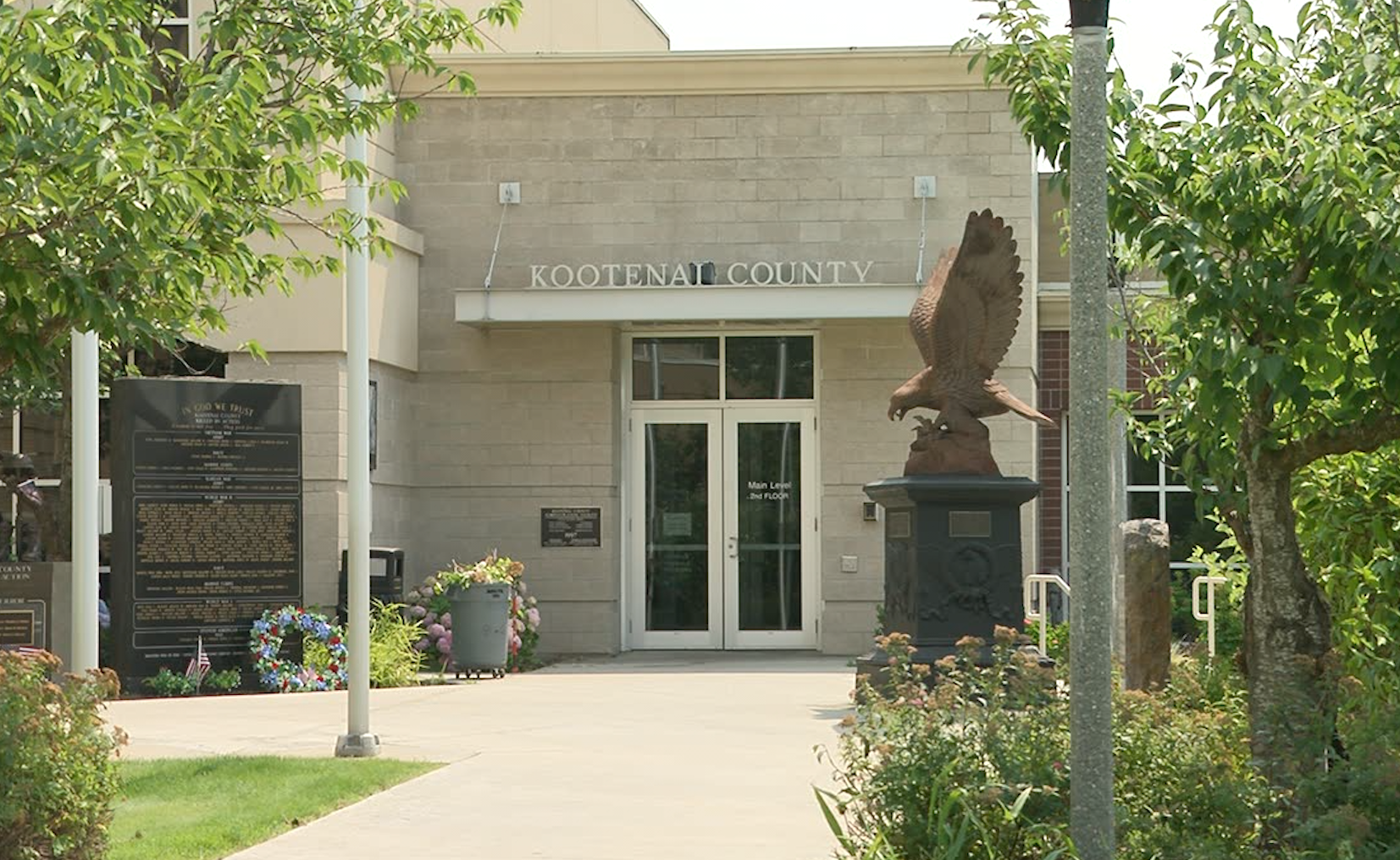
KOOTENAI COUNTY, Idaho — Kootenai County residents are learning that their sensitive personal information was compromised in a data breach that occurred in March, with county officials only now disclosing the incident four months after it happened.
County officials confirmed that hackers accessed Social Security numbers, fingerprints, and private medical and financial information stored in county systems. The county has not disclosed how many residents were affected or which specific individuals had their data stolen.
“It was part of our network and we discovered it in process,” said Kootenai County Commissioner Bruce Mattare. “So we were able to shut it down extremely fast. There was very minimal amounts of data that were breached, and we were able to restore operations literally within hours.”
County officials refused to pay the ransom demanded by the hackers behind the theft.
The four-month gap between the breach and public notification has drawn criticism from residents on social media, who questioned why they weren’t informed sooner. County officials explained that they delayed the announcement to fully assess the scope of the breach without alerting the public prematurely.
Data security experts say the delayed response is not uncommon in breach situations, as organizations typically conduct thorough investigations before making public statements.
“The nice thing is that there is a silver lining, this is not new news to anybody,” Jonathan Ferraiuolo, a data security expert, said. “So in the event this does happen to someone, there are so many resources out there that we can use to help mitigate that and undo what was done.”
Kootenai County is offering affected residents one free year of credit monitoring services. County officials encourage all residents to monitor their accounts for suspicious activity and take steps to protect their personal information.
The county says it is notifying any victims of the breach through the mail. That mail is expected to start arriving in mailboxes starting Thursday.
Cyber safety experts recommend residents upgrade their security practices by using two-step authenticators and certified password managers. Additional protective measures include locking credit reports, registering with credit monitoring programs, and updating personal passwords to stronger combinations.
COPYRIGHT 2026 BY KXLY. ALL RIGHTS RESERVED. THIS MATERIAL MAY NOT BE PUBLISHED, BROADCAST, REWRITTEN OR REDISTRIBUTED.