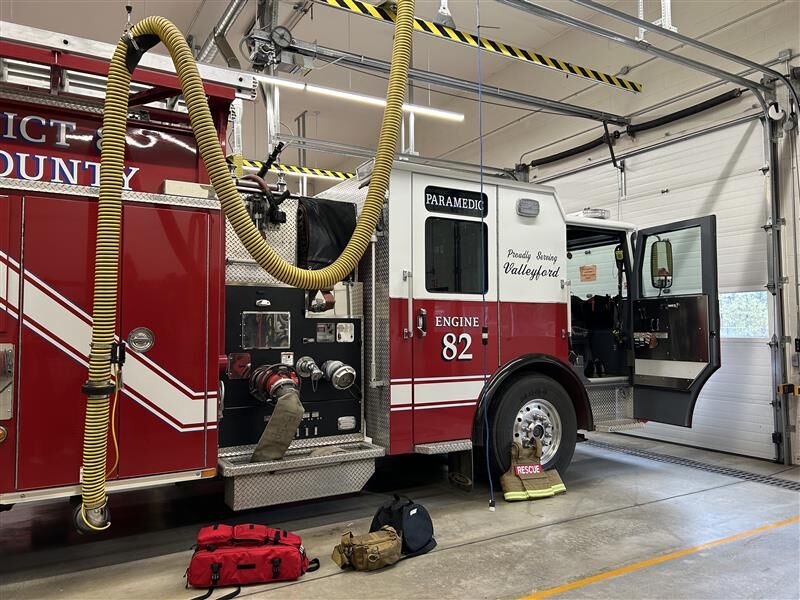
SPOKANE, Wash. — Agencies across Spokane County are changing the way they respond to active shooter and mass casualty events in an effort to save more lives.
Fire departments are practicing a new response technique that has firefighters enter scenes at the same time as law enforcement to get to victims faster, rather than waiting outside until buildings are completely cleared.
During a recent training exercise, Spokane County Fire District 8 responded to an active shooter simulation at a church to practice the new approach.
“We train as we fight. Right? So, in order for us to respond and do those things, you have to train it exactly the way we would respond,” said Chief Kenneth Erben of Spokane County Fire District 8.
The training addresses a critical timing issue in emergency response. Captain Marc Lange of Spokane Valley Fire explained why the traditional approach of waiting can be deadly.
“If we stand outside and wait for law enforcement to completely clear a building, we’re going to end up waiting 20 minutes to an hour. So those patients won’t have that luxury to survive out of that,” Lange said.
For Spokane County Fire District 8, the simulation feels familiar because they were among the agencies that responded when a student opened fire inside Freeman High School in 2017.
“That day, September 13th, 2017, was, you know, burned into all of our memories. You know, you never, ever want this to happen in your own agency or any agency,” said Captain Jeff Wainwright of Spokane County Fire District 8.
During the Freeman High School shooting, one student was killed and three were seriously injured. The event required a response from law enforcement and firefighters from all over the region, highlighting the need for coordinated training across agencies.
All of the different agencies in the county are receiving this training to ensure consistency in response protocols.
“Having this type of coordination between law enforcement that’s trained the same way and we’re trained the same way county wide will definitely make these types of events run much smoother, much more efficiently,” Wainwright said.
The goal is that no matter who is responding to an active shooter situation, the training and mission remain the same: to keep everyone safe and get to those who need help as soon as possible.
Earlier training involved rescue task forces where firefighter-medics work alongside law enforcement officers in what emergency responders call “warm zones” to provide aid to victims.
“So we’ll have, two of our firefighter medics, with a law enforcement officer. They’ll, they will work their way into the incident, into a what we call a warm zone, and stop to provide aid to those victims that could be part of these active attack,” Erben said.
The coordinated approach also stems from lessons learned during the Freeman shooting, when multiple agencies responded to the scene.
“When Freeman happened, every agency was responding to that, along with the fire department and so if if all of us within the county are all on the same page, we have better outcomes. We save more lives, and we prevent more people from getting hurt as well,” said Sgt. Jordan Sowell of the Liberty Lake Police Department.
COPYRIGHT 2026 BY KXLY. ALL RIGHTS RESERVED. THIS MATERIAL MAY NOT BE PUBLISHED, BROADCAST, REWRITTEN OR REDISTRIBUTED.