SPOKANE, Wash. — As families across the region grapple with economic uncertainty and social pressures, schools are expanding behavioral health services to meet growing student needs.
The Spokane School District operates a distinctive educational program tucked between neighborhoods just outside the Garland District. The MAP program serves as both a school and licensed behavioral health center for students facing serious mental health challenges.
“The mental health program we have is unique in the nation,” said David Crump, principal of MAP.
The small facility houses four classrooms serving 40 middle and high school students who all live with mental illness.
“They’ve been in psychiatric hospitalization, many of them are on psychotropic medication, you don’t have to in our program, because some are struggling, let’s get that earlier intervention so it doesn’t go to what I call deep end services,” Crump said.
While MAP’s intensive setting works for some students, behavioral healthcare looks different depending on who you ask.
“When you talk about mental health you might be thinking mental wellness, and I might be thinking mental illness,” Crump explained.
District administrators work with school counselors in Spokane, Central Valley, and Mead to make referrals for therapists to visit schools and see students before, during and after class.
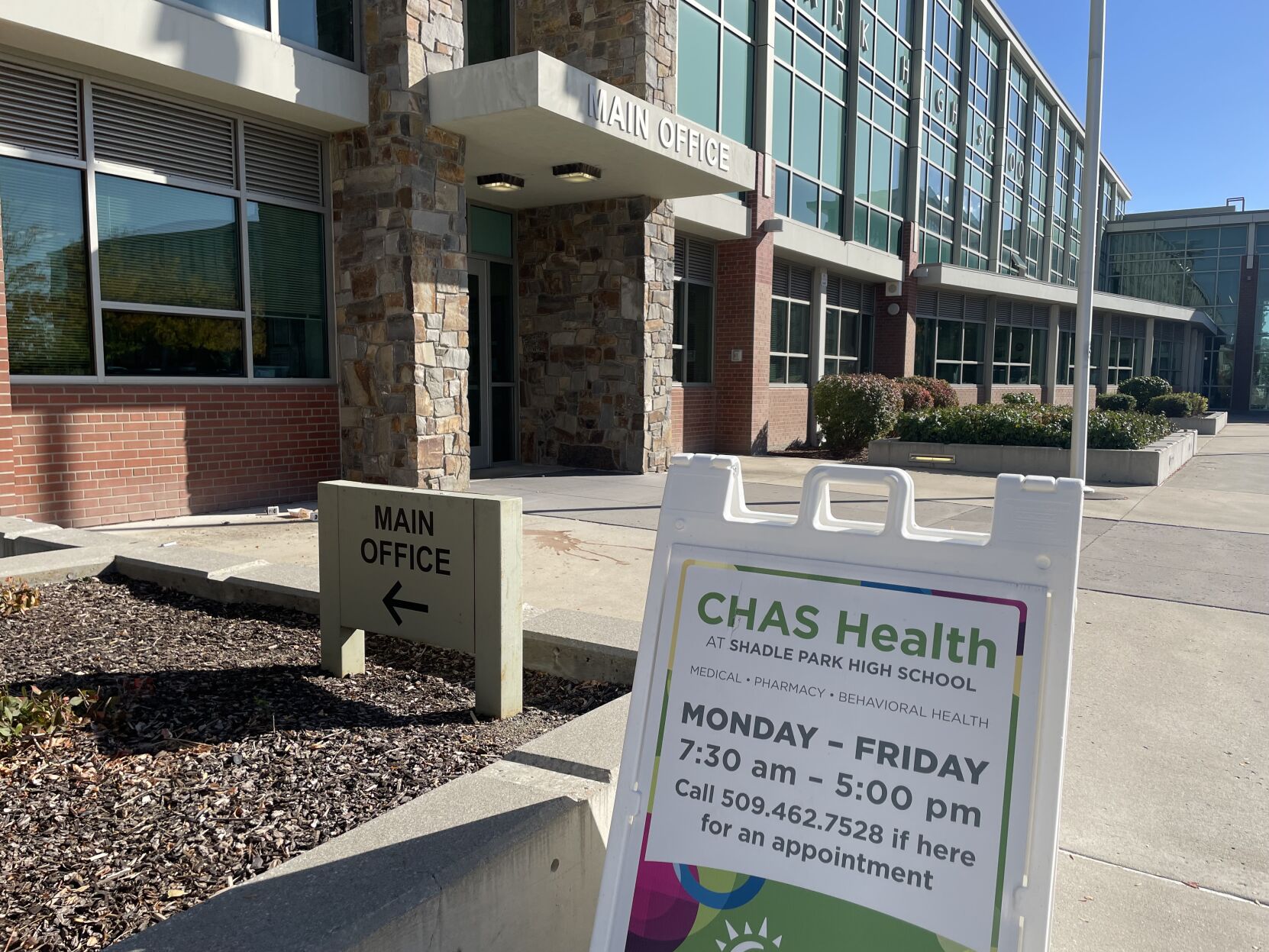
The district is also expanding School Based Health Centers (SBHC) operated by CHAS Health. These centers already serve students at several Spokane high schools, including Shadle Park, Rogers, and North Central with Ferris High School opening the newest clinic this week. Shiloh Hills Elementary is the only elementary school delivering care to students grades K-5th grade along with Mead School District students.
Dr. Yvette Rosser, a pediatrician who works in the CHAS Health School Based Health Centers, emphasized the convenience factor for students and families.
“They can walk down the hall and come see us,” Dr. Rosser said.
The health centers provide comprehensive care beyond traditional medical services. Along with routine checkups and sick visits, students can access therapy and mental health support without leaving campus.
“We see patients for symptoms of depression, anxiety, or just if they’re kind of going through something difficult, and need support,” Dr. Rosser explained.
The on-campus model eliminates common barriers to mental health care. Students don’t need to leave school, parents don’t have to take time off work, and families avoid waitlists for specialists trained to work with children and teens.
The program operates within Washington state guidelines that require parental permission for students 12 and younger to receive care. Parents are welcome to accompany students to their appointments or participate virtually through phone or computer connections.
The expansion reflects the critical role of schools in identifying and addressing student mental health needs.
According to the National Alliance on Mental Illness (NAMI), one in six kids have a mental health condition, but only half receive mental health services. Support groups are available for teens and families through our local chapter.
The Clarkston School District is planning to open a School Based Health Center on the high school campus next fall. Through state and local grants, Clarkston School District has secured funding to construct the facility and is now seeking a health care partner to operate the center.
Resources are available 24/7 for those in crisis:
988 Suicide and Crisis Lifeline, call or text
National Suicide Prevention Crisis Lifeline website or call 1-800-273-8255
Teen Text Line website or call 1-888-814-8336
COPYRIGHT 2025 BY KXLY. ALL RIGHTS RESERVED. THIS MATERIAL MAY NOT BE PUBLISHED, BROADCAST, REWRITTEN OR REDISTRIBUTED.