SPOKANE, Wash. — Four years after a deadly heat dome killed 19 people in Spokane County, the community remains unprepared for another severe heat wave, according to a climate expert.
Heat represents a constant and often underestimated threat, according to Dr. Brian G. Henning, director of the Gonzaga Climate Institute.
“We feel like we’re used to it sometimes we don’t really realize the underlying dangers that we might be under because the severity of some of the extreme heat waves we’re getting are more intense,” Henning said.
The 2021 heat wave killed 19 people in Spokane County and more across the Inland Northwest, marking what Henning calls “the most deadly weather-related event in Washington state history.”
As temperatures rise this week, Spokane officials direct people to seek relief in city libraries.
Spokane still hasn’t finalized a comprehensive extreme heat plan yet, though city staff say a first draft could be ready within the week.
However, Henning warns that finalizing and implementing such plans takes time.
“We’re not yet ready for another deadly heat wave,” Henning said. “If we had seven, eight, nine days of really high temperatures, I do worry that we’re not yet in a position to be able to be fully safe.”
The challenge extends beyond citywide planning to neighborhood-level variations in temperature.
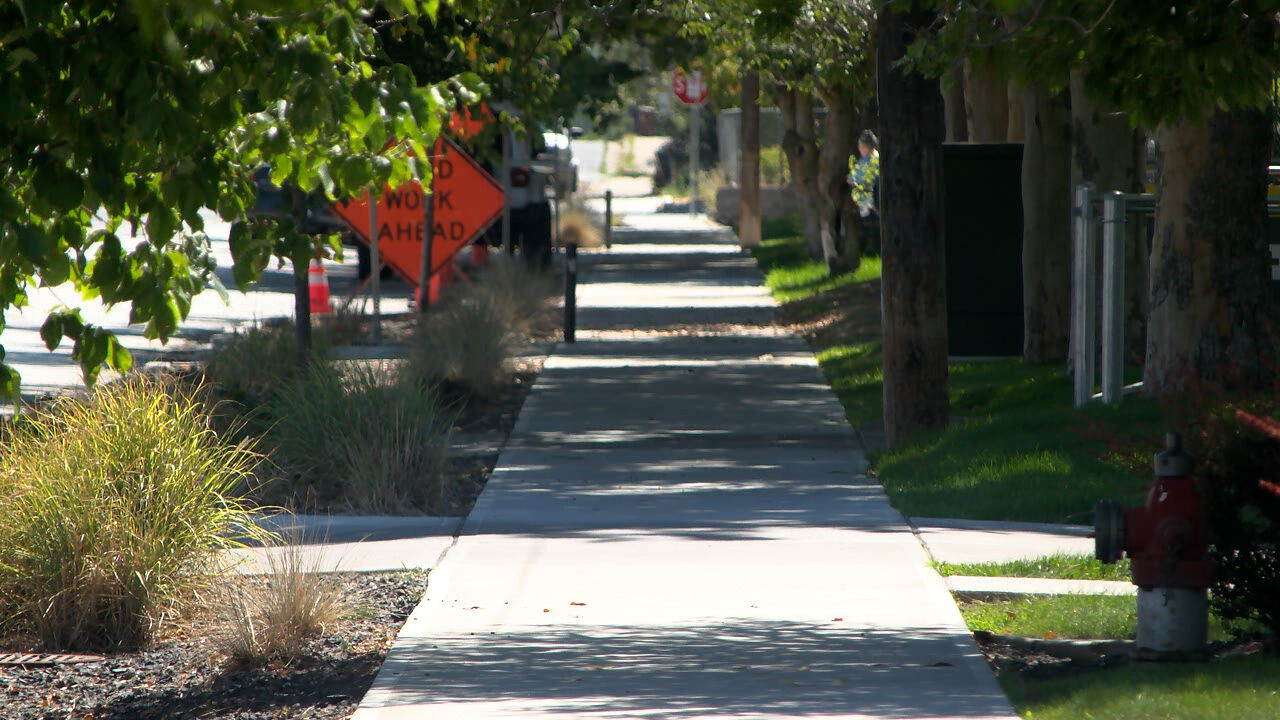
Heat affects different areas of Spokane differently, depending on factors such as tree coverage, building density, and pavement concentration.
“It could be 95 outside when you look on your phone, but actually your neighborhood could already be 105, or higher,” Henning said.
The planning process has faced additional challenges, including the recent loss of a federal grant intended to establish climate resilience hubs in community centers.
These sites would serve residents who cannot reach the city’s libraries, which currently function as the primary public cooling locations during heat waves.
Despite setbacks, Henning remains optimistic about the city’s commitment to heat preparedness.
“The city and the city council are all really supportive,” Henning said. “What we need to try and figure out how to do in these challenging financial times is how to align our budgetary priorities with some of these needs for community resilience and adaptation.”
The loss of federal infrastructure funding represents a significant obstacle to expanding cooling capacity.
City officials are working to secure replacement grants to fund the cooling expansion project.
“It’s so important that we have these infrastructure dollars to be able to help our community be resilient to this change in climate,” Henning said.
As Spokane continues developing its extreme heat plan, residents facing the current hot weather should exercise caution during outdoor activities.
Henning recommends staying hydrated, limiting outdoor activities during the hottest parts of the day, and utilizing air-conditioned public spaces like libraries when needed.
COPYRIGHT 2025 BY KXLY. ALL RIGHTS RESERVED. THIS MATERIAL MAY NOT BE PUBLISHED, BROADCAST, REWRITTEN OR REDISTRIBUTED.