SPOKANE, Wash. — People working on the front lines of the teen mental health crisis are saying it’s time to break the silence and get teens the help they need.
The most recent data from Spokane Regional Health District reveals that in Spokane County, suicide is the second leading cause of death for people ages 15 to 24.
According to a 2023 state youth survey, about 1 in 3 eighth, tenth and twelfth graders in our community report feeling sad or hopeless.
While youth suicide rates are lowest among those under 18, Spokane Health officials say the data still signals a serious mental health concern.
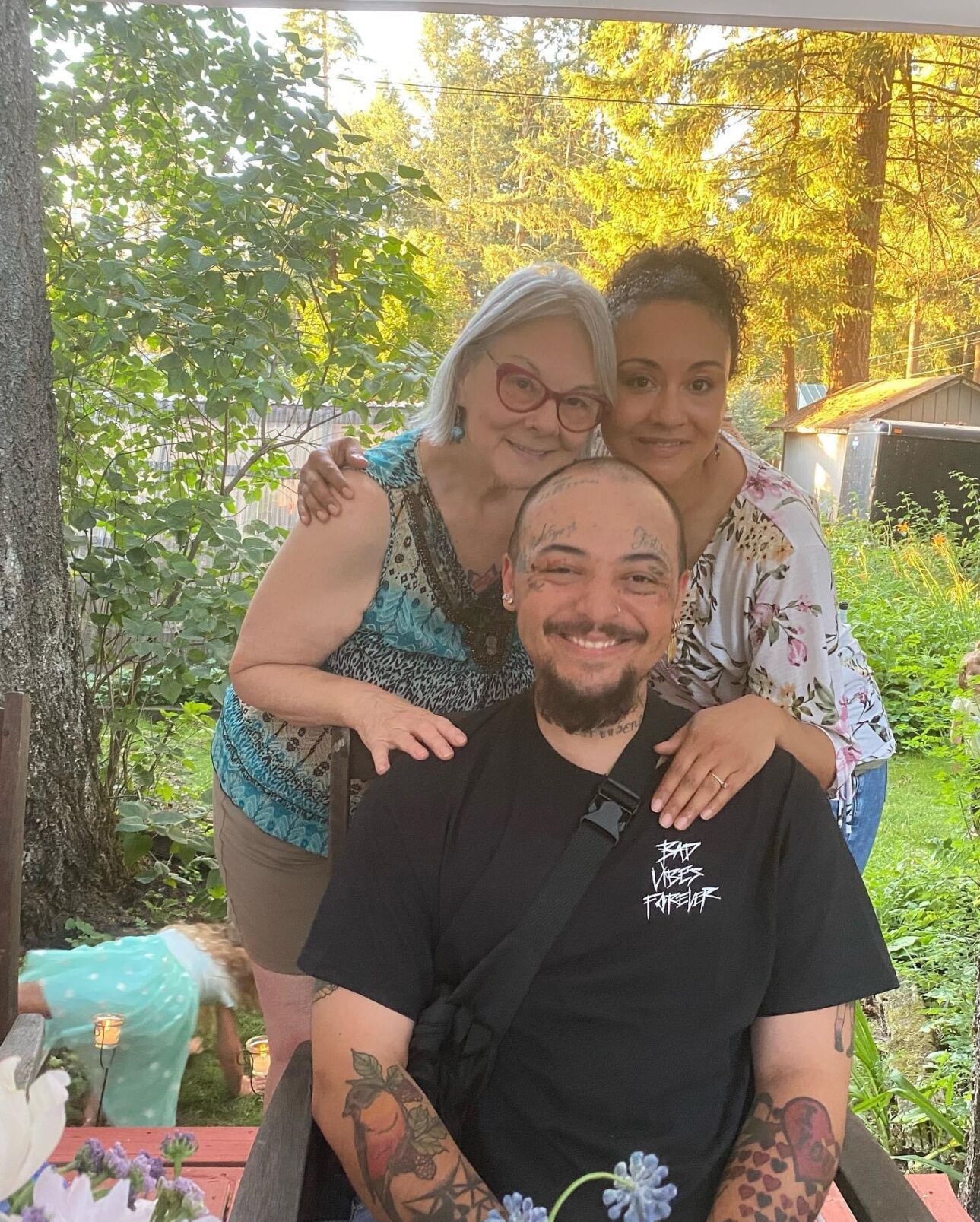
Deborah Cano is someone whose faced these challenges firsthand. She’s a Spokane grandmother whose life changed when her grandson developed a serious mental illness in college.
“He has something called Bipolar I with psychosis. So he was pretty symptomatic for the first three years,” Cano said.
At just 19, her grandson struggled to understand what was happening to him.
“It was just very, very stressful. So difficult for everyone,” she said. “He had this new brain and this new challenge. He didn’t really know how to navigate it or even accept it. He was still 19.”
Deborah and her daughter started looking for answers and found NAMI Spokane, a nonprofit offering free education and support for families like hers.
“We especially learned how to talk to someone that has a mental health issue, things to say, things to not say,” she explained.
Deborah now volunteers with NAMI, teaching the very same classes that helped her.
“What we need more than ever with families and people that have mental health issues is communication and knowledge,” she said.
Spokane Regional Health District says this kind of support is critical, especially for teens.
“Many of them report that they don’t feel that they can talk to an adult in their life,” said Mia Parker, the fatality review and prevention coordination at Spokane Regional Health District.
Parker says this is something we can all help with.
“Having just one positive relationship with an adult figure, even if it’s not a parent, really can change the trajectory of a child’s life,” she said.
Deborah believes she changed the trajectory of her grandson’s life by simply being there and helping him fight his battle. He’s now 27 and working at Frontier Behavioral Health, helping others just like him.
“He has grown exponentially emotionally and mentally,” Deborah said. “He’s so wise now.”
To this day, Deborah uses the tools she learned from NAMI to help her grandson when he needs it. She says she’s proud of all that he has had to overcome.
You can gain the same tools Deborah did to help have these tough conversations with your kids.
If you need immediate mental health support, Spokane Regional Health District advices you to call or text 988.
You can find a link to other mental health resources around the region below:
NAMI Spokane988 LifelineSpokane Outreach Networking GroupSpokane Regional Health District-Training ResourcesHope Haven Counseling
COPYRIGHT 2025 BY KXLY. ALL RIGHTS RESERVED. THIS MATERIAL MAY NOT BE PUBLISHED, BROADCAST, REWRITTEN OR REDISTRIBUTED.