University researchers are worried recent federal budget cuts could put their agriculture-focused programs at risk.
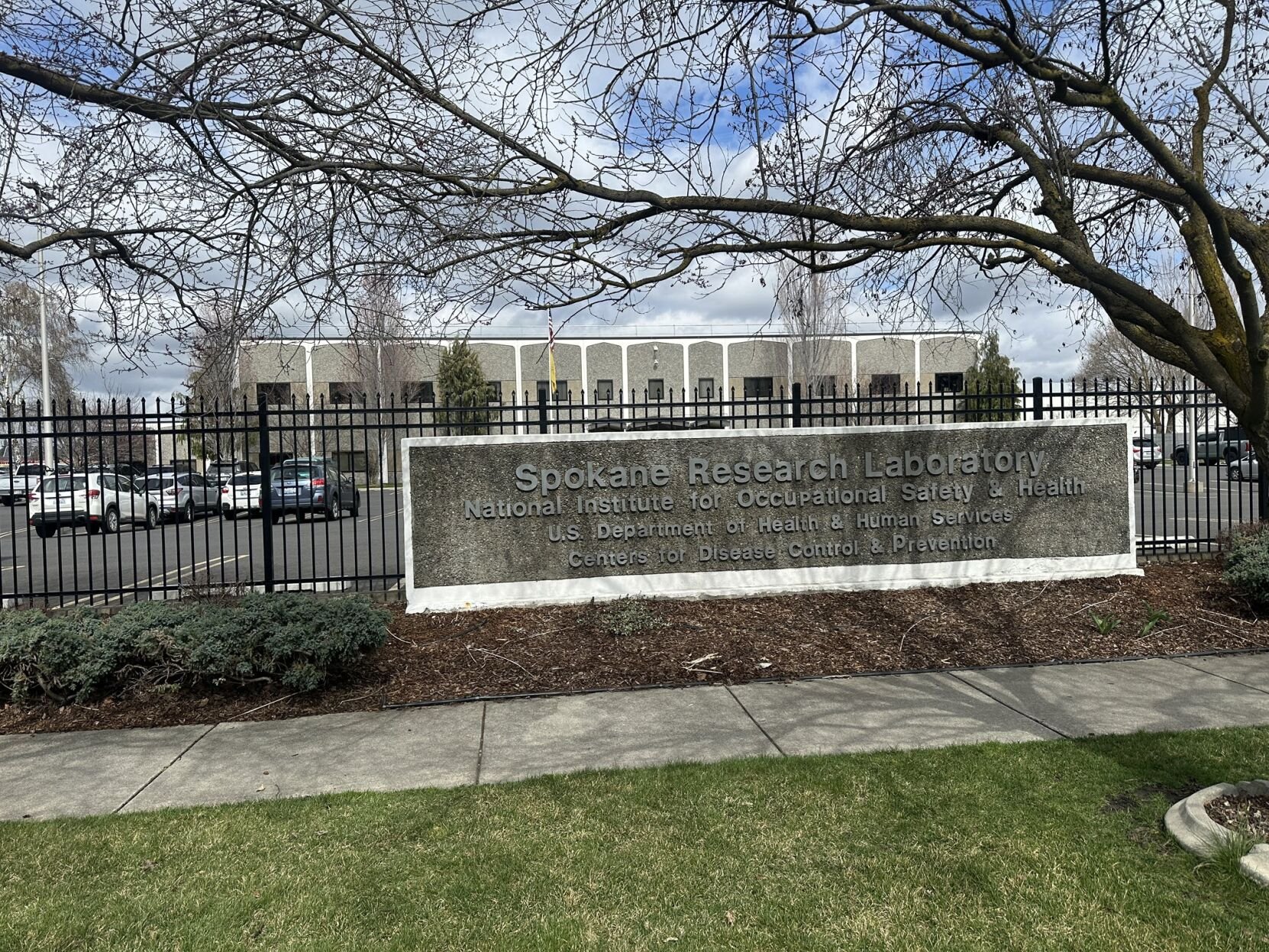
The National Institute for Occupational Safety and Health (NIOSH) has seen major cuts to its funding under the Trump Administration.
Those cuts are causing a Spokane-based research facility dedicated to miner safety to shut down in June.
Now, The University of Washington is worried two of their NIOSH-funded centers could be next.
One of those UW programs is the Pacific Northwest Agriculture Safety and Health Center (PNASH), which receives over $1 million annually to support research and training in the agriculture, forestry and fishing sectors.
Dr. Christopher Simpson, deputy director of PNASH, said the center does a lot of research into safe ways to apply pesticides and how to use equipment to limit exposure to the chemicals.
He said agricultural workers could be at serious risk if the center is shut down.
“More and more workers are going to get sick on the job, are going to get injured on the job and more and more workers are going to die on the job if this funding goes away,” Simpson said.
Mike Gempler, President of Washington Growers League, said PNASH’s research makes a real difference.
“They were also instrumental in looking at cholinesterase monitoring to help us monitor what kind of exposures people were getting to a particular kind of pesticide, organophosphate pesticide and how to apply that to our industry. All this was done to make pesticide use safer,” he said.
The other NIOSH-funded center at the University of Washington is the Northwest Center for Occupational Health and Safety (NWCOHS).
Dr. Simpson said NWCOHS serves a vital role in training health and safety professionals who help prevent or address workplace safety issues across the state of Washington.
In a statement to 4 News now, Dr. Simspon said, in part:
“Without the $1.8 million per year that the Center receives from NIOSH, we will see drastic reductions in training and research that aims to protect workers in the maritime, agriculture and logging industries, to name a few, across Washington. These losses could result in increased fatalities and injuries at work, which will cost Washington in health-care coverage, workers’ compensation claims and lost productivity. That funding supports an average of 20 graduate students per year, and continuing education for an average of 1,000 occupational health and safety professionals per year. The NWCOHS has been funded continuously since 1977.”
The center says, as of Monday, funding has not been pulled but that communication with federal agencies has been extremely limited.
4 News now sent in media requests for comment to both the CDC and HHS regarding the fears UW has, but as of Monday, we have not heard back.
PREVIOUS COVERAGE: Closure of Spokane miner research facility sparks concerns over worker safety
COPYRIGHT 2025 BY KXLY. ALL RIGHTS RESERVED. THIS MATERIAL MAY NOT BE PUBLISHED, BROADCAST, REWRITTEN OR REDISTRIBUTED.