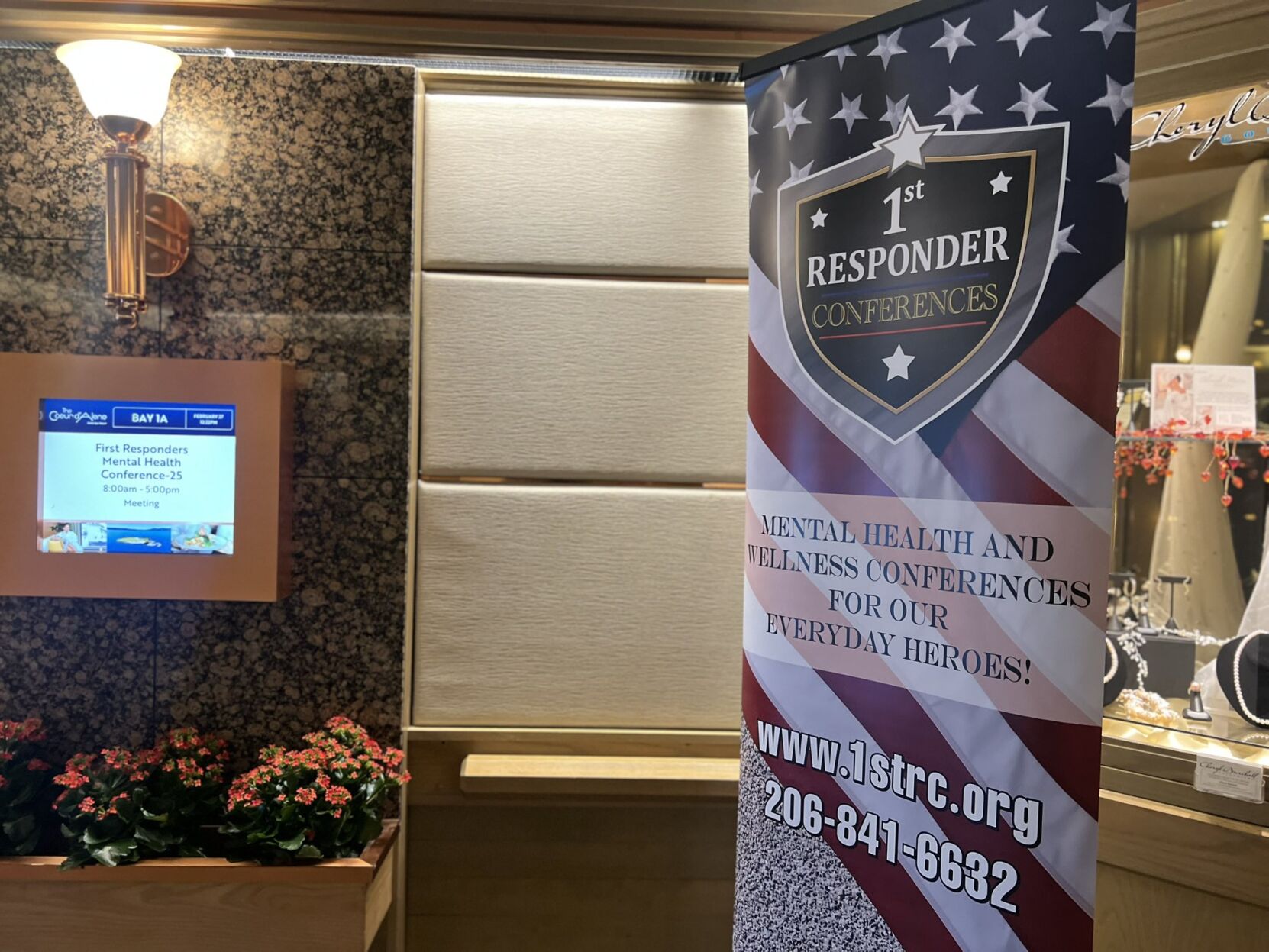
COEUR D’ALENE, Idaho — There’s an urgent push to reshape the culture surrounding first responders; the heroes communities turn to when emergencies rear their head.
Many of them, horrific.
“We all endure things that aren’t normal and that normal people don’t see day in and day out,” said Shawn Thomas, a retired deputy from the King County Sheriff’s Office.
Thomas attested to the decades-long precedent in place that it was taboo for police or firefighters to talk about their experiences, regardless of how severe. Rather than process these situations and the emotions they stir up, the status quo was to suppress them and move on to the next call.
“It’s a stigma,” Thomas said. “People don’t want to share their feelings about what they’re going through because they’re afraid they’re going to get fired or in trouble.”
The ‘suffering in silence’ culture, as Thomas referenced it, has created a plethora of issues for first responders.
The damage extends well beyond mental health.
“What we now know is that the long-term impact of that looks like cancer, maybe autoimmune disorders, heart disease,” said Matt Quackenbush, a psychotherapist and the director of education for Deer Hollow Recovery.
The short-term impacts resemble relationship problems, anger outbursts, hypervigilance, and sleep deprivation.
Thomas saw firsthand the dangers of keeping those thoughts and feelings underwater; it was around 10 years ago when her husband, another decorated law enforcement officer, revealed the struggles he was enduring with his day-to-day job and turned to alcohol to cope.
They needed help, but were extremely cautious about who they approached for help.
“I found a confidential resource and we got him the help that he needed,” Thomas said. “But during the process, I realized if we’re both first responders and there’s nowhere to get help, there’s got to be other people out there.”
As a result, Thomas has spent the better part of the past decade offering a lifeline to responders suffering in silence, founding ‘First Responders Conferences.’
Thomas worked with her employer to organize a two-day wellness conference for any and all first responders, their family members, clinicians and anyone else within the field. It became a place for people to network, find resources that match their needs and start a dialogue.
Thursday’s event was the 54th conference since it started in 2016. 291 first responders from nine different states were in attendance.
“We want people to know it’s okay to not be okay,” Thomas said. “You just can’t stay that way.”
COPYRIGHT 2025 BY KXLY. ALL RIGHTS RESERVED. THIS MATERIAL MAY NOT BE PUBLISHED, BROADCAST, REWRITTEN OR REDISTRIBUTED.