SPOKANE, Wash.– We are counting down the days until the election, and right now, it may seem like we can’t get away from the constant reminders.
Commercials, yard signs, social media posts, and those pesky political calls and text messages.
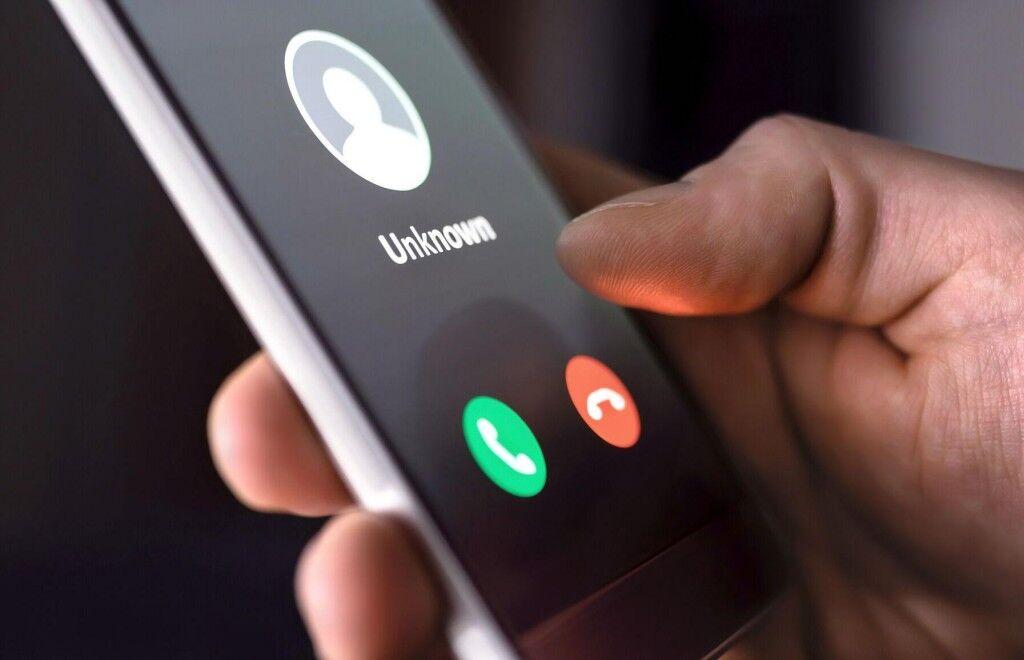
The intrusion on your phone can be epically annoying.
We hit the streets to talk to voters to see how they feel about these robocalls and texts, and the consensus was not generally positive.
“They are annoying. You wonder if they are scams because a lot of them are asking for contributions,” said Karen Phillips.
“I just don’t spend any time on them. Usually its delete. Sometimes its just block the number,” said Matt Benitez.
“Sometimes it will make me like a candidate less. Like, I’ll like a candidate, and then I’ll get a million texts and calls from them,” said Sophie Harrison.
So, if the people receiving these calls and texts are so annoyed by them, why do campaigns and organizations still use them?
The short answer: It is a cheap way to reach voters.
Dr. Rebecca Donaway is a lecturer of communication studies at Gonzaga and teaches classes focused on political communication.
She says organizations can pay about $10 to send about 1,000 calls or texts, which is a good value when it comes to reaching voters.
“You can hit a button and it’s and it’s gonna blast a message to a lot of people and there is some pretty recent research that suggests its fairly effective,” said Donaway. “So, for every 1,000 calls you make, you convert about 3 voters. So, as you can see, you need to make a lot of calls, but if you call multiple times, you can increase that. We see the benefits kind of drift off after about four to six touches from the campaign.”
According to her research, Dr. Donaway says the most effective way to reach voters is door-knocking, but that requires more time and resources.
“Would you rather have someone knocking on your door during dinnertime, or would you rather have a phone call? Those are kinda the most helpful options,” said Donaway.
These calls and texts are usually not focused on swaying your vote, but rather mobilizing turnout.
“Robocalls or an automated message aren’t really good at persuading an undecided voter in one direction. It is more about reminding a voter who already has an idea of who they want to vote for,” said Donaway.
According to the Federal Communications Commission, organizations are only allowed to call you without consent on landlines.
If you are getting calls on your cellphone, it means, at some point, you said it was okay.
“At some point along the way, you gave permission for a group or organization to contact you, and they passed your information along,” said Donaway.
According to the FCC’s Telephone Consumer Protection Act, that permission can be revoked at any time by saying or texting ‘stop.’ If you are still getting texts you didn’t ask for, you can report them by forwarding the text to 7726 (or ‘SPAM’).
According to Dr. Donaway’s research, robocalls and texts are still effective right now despite being a bit annoying.
But in the future, she says, campaigns could focus more on other ways of reaching voters, like social media.
“In the last two elections, the research has shown there are lots of other ways to reach this particular block of voters. So you might see this decrease a smidge,” said Donaway.
If you would like to read more about the FCC’s rules and regulations when it comes to robo calls and texts, click here.
COPYRIGHT 2024 BY KXLY. ALL RIGHTS RESERVED. THIS MATERIAL MAY NOT BE PUBLISHED, BROADCAST, REWRITTEN OR REDISTRIBUTED.