SPOKANE, Wash. — Nearly three months after wildfires swept through the Spokane area, the Washington State Department of Health is offering free soil testing for people worried about contamination left behind on their properties.
The department says contaminants such as particulate matter, lead and arsenic can seep into soil after a wildfire — or for other reasons. How far those contaminants spread varies, but properties that had ash land on them are more likely to be contaminated.
Contamination can cause health problems for people who frequently work or play in the dirt, and children are at greater risk.
Steve Miller watched the Old Trails Fire burn all the way up to his property in Five Mile a few months ago. Now, he worries about what the fire left in his yard.
“I don’t know the effect it’s gonna have on the trees and bushes — stuff like that — the soil,” Miller said. “So, we’ll see, I guess, on that one.”
Wildfires are not the only concern. Old paint, pesticides and busy roads can also cause contamination.
James Watt, a toxicologist with the Washington State Department of Health, said risk levels depend on many factors, including how often someone is exposed to contaminated soil.
“Obviously, the more direct contact you have with the soil — either on your skin or breathing in particles that might come up from the soil — or the way that you use your soil or accidentally ingest the soil, that would increase your exposure and increase risk,” Watt said.
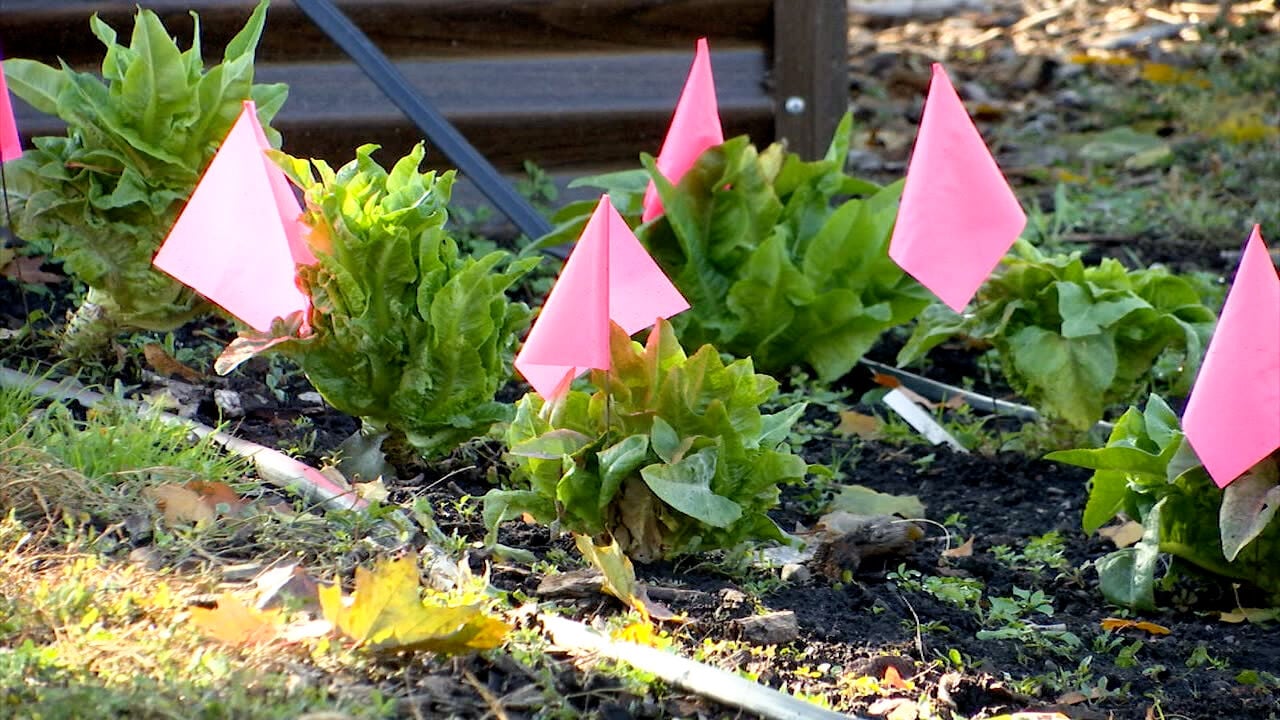
The River City Youth community garden is miles away from this summer’s fires, but Executive Director Kate Burke said soil quality still matters.
“When you think about growing food, you don’t always think about the soil and what’s in it, but that can really determine a healthy vegetable or fruit, and so I think it’s really essential that we keep that front of mind,” Burke said.
People who plan to get tested should start by gathering soil samples from several random spots in their space. For those testing a garden, it’s recommended to dig about six inches deep, or two inches for other areas.
Collect five to 10 samples for a larger area or three samples for a smaller one. Put all the samples in a bucket, mix them and remove debris, then scoop one to two cups into a plastic bag for testing.
For those concerned about contamination, the department recommends washing your hands, rinsing off vegetables before eating them and wearing gloves when working in the dirt.
The department will offer its free soil testing tomorrow in Coeur d’Alene Park in Browne’s Addition from 8 a.m. to noon. The testing is open to anyone curious about their soil quality, not just those impacted by fires. People can also bring in kids’ toys to test for lead.
COPYRIGHT 2026 BY KXLY. ALL RIGHTS RESERVED. THIS MATERIAL MAY NOT BE PUBLISHED, BROADCAST, REWRITTEN OR REDISTRIBUTED.