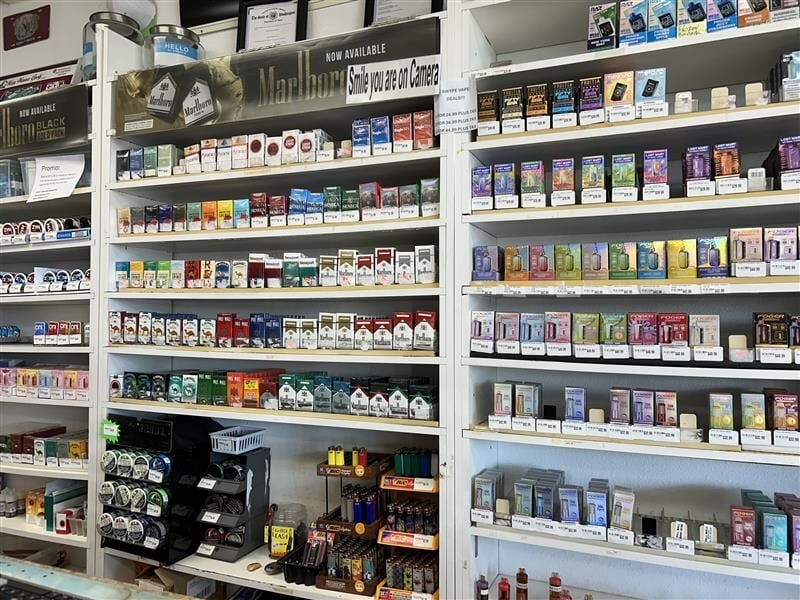
SPOKANE, Wash. — A proposed $2 cigarette tax increase in Washington state has tobacco retailers worried about their survival, with some saying it could be the final blow to their businesses.
The proposed legislation would bring Washington’s cigarette tax to $5.025 per pack, a significant jump from the current $3.025 per pack. For businesses like Spokane Cigar, located just 30 minutes from the Idaho state line, the increase represents an existential threat.
“It definitely worries me,” said Brandiee Gilbert, manager at Spokane Cigar.
Gilbert said her store has already watched customers migrate to Idaho, where cigarettes are taxed at just 57 cents per pack — a fraction of what Washington charges.
“The original tax hike sent more to Idaho. Then they did it to everything else. And now they want to up cigarettes again, when people are already struggling, it’s disheartening. I’ve watched a lot of businesses close,” Gilbert said.
The concern isn’t theoretical. Gilbert said her business has already experienced significant revenue drops following the state’s implementation of a 95 percent tax on some nicotine products at the beginning of the year.
“I mean, my sales dropped drastically because of it. And the information I’m getting, I was actually just over there this weekend. And the prices in Idaho right now, I don’t blame people,” Gilbert said.
The stark price difference between the two states creates a powerful incentive for cross-border shopping. Under the proposed tax, Washington smokers would pay $5.025 in state taxes alone per pack, while Idaho customers pay less than $1.
However, supporters of the legislation argue the revenue is desperately needed for state programs. Representative Lisa Parshley said the tax increase addresses critical budget shortfalls.
“Bottom line, this bill generates revenue. And in this time when we’ve got a budget issue, we’ve got impacts are major one. This is a very important revenue,” Parshley said.
The money generated from the increased cigarette tax would be distributed across several state programs. Funds would support the Department of Health’s emergency system, cancer research initiatives, nicotine and tobacco enforcement programs, and contribute to the state’s general fund.
The bill still needs approval from both the House and the Senate. If passed, the tax increase would take effect July 1.
COPYRIGHT 2025 BY KXLY. ALL RIGHTS RESERVED. THIS MATERIAL MAY NOT BE PUBLISHED, BROADCAST, REWRITTEN OR REDISTRIBUTED.