SPOKANE VALLEY, Wash. — The Washington Department of Fish and Wildlife is asking hunters to help prevent the spread of chronic wasting disease in deer and elk populations across eastern Washington through new sampling requirements this hunting season.
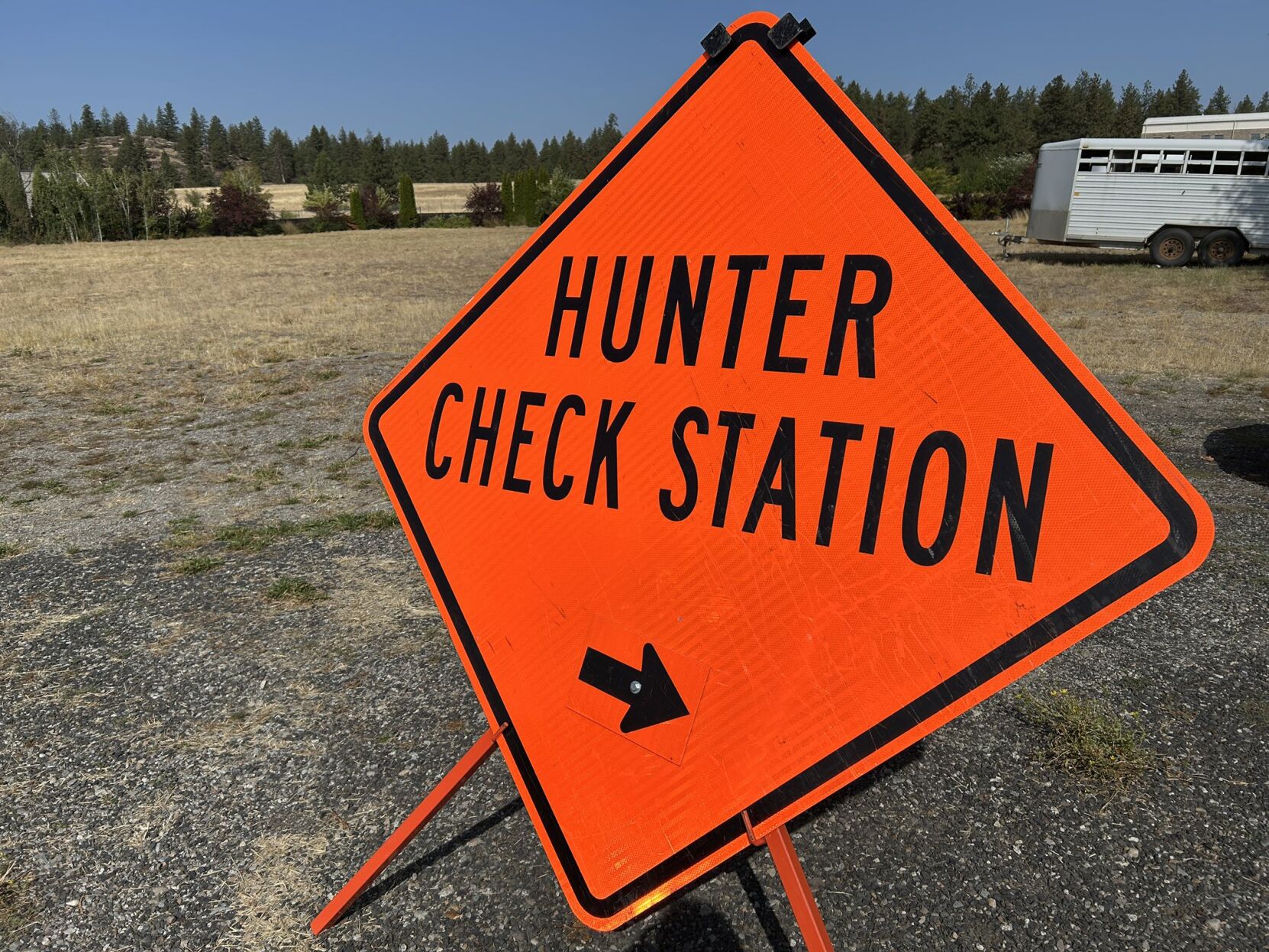
The neurological disease, which kills moose, deer and elk, has prompted wildlife officials to establish hunter check stations throughout the state where samples can be collected and tested.
Bow hunting season is currently underway, and research scientists are collecting lymph node samples as part of the new rule designed to monitor and contain the disease’s spread.
“Ultimately, we do want to prevent the spread and we want to do our best to maintain it where it has been detected and hopefully, in the future, we do have better management tools to fight back and reduce prevalence of this disease,” said Dr. Melia DeVivo, a research scientist with the Washington Department of Fish and Wildlife.
The department operates hunter check stations Monday through Thursday around the state, including one in Spokane Valley. Hunters can submit samples and receive results within four to six weeks. The testing process uses lymph nodes from elk and deer to detect the presence of chronic wasting disease.
Wildlife officials emphasize that chronic wasting disease has not been transmitted to humans, but they recommend hunters avoid eating meat from any animals that might be infected.
“The Center for Disease Control as well as our local health jurisdictions recommend that you do not consume an animal that knowingly has CWD or any other disease,” Dr Devivo said .
The disease affects the nervous system of infected animals and is always fatal.
“We have many, many options, whether at a check station, or you can mail in the sample yourself. We have kiosks so you can either leave the head of the animal or leave the lymph nodes,” DeVivo said.
In addition to chronic wasting disease, deer in eastern Washington may also be infected with blue tongue disease, which can produce similar symptoms but typically kills animals more quickly than chronic wasting disease. The department is asking people to report any animals showing signs of blue tongue through its website.
“This year, we have seen an up-tick in cases of people reporting dead deer, so our agency does keep track of those reports and we do test what we can get our hands on,” Dr. Devivo said.
For more information on diseases found in deer, elk and other animals, visit www.wdfw.wa.gov.
COPYRIGHT 2025 BY KXLY. ALL RIGHTS RESERVED. THIS MATERIAL MAY NOT BE PUBLISHED, BROADCAST, REWRITTEN OR REDISTRIBUTED.