SPOKANE — Fifteen organizations have joined forces to create a coordinated plan for protecting Inland Northwest communities from the increasing threats of extreme heat and wildfire smoke.
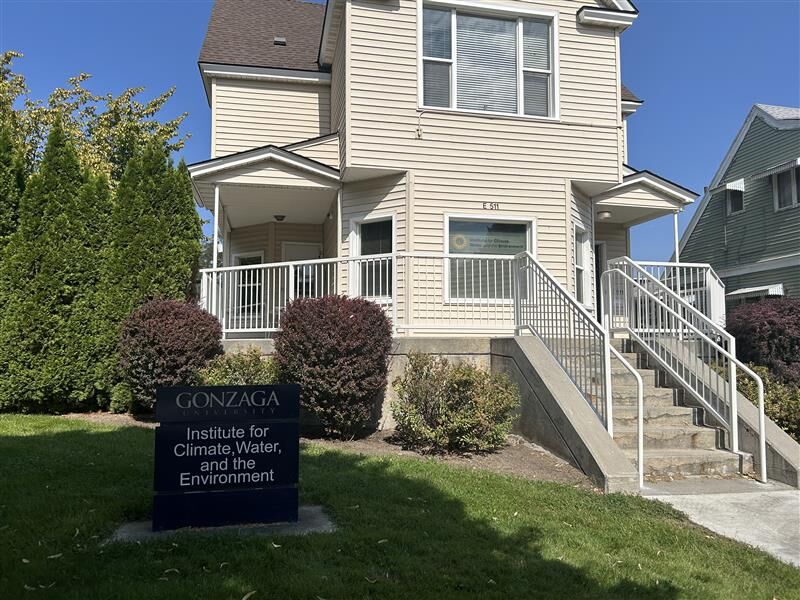
The Spokane Community Resilience Collaborative has developed a list of action items that it says local leaders need to implement to safeguard residents during severe weather events. The initiative brings together groups including the City of Spokane and the Climate Institute at Gonzaga University.
“We’ve got 15 orgs who came together and we’re all working on community resilience in some way, and extreme heat and wildfire smoke tie into that in some way for each org,” said Dante Jester from the Gonzaga Climate Institute. “And we really wanted a coordinated effort.”
The collaborative’s action plan includes educating the community about extreme weather dangers, planting more trees throughout the city, and adopting new energy-efficient building codes. While many of these initiatives are not new concepts, the coordinated approach to implementing them represents a fresh strategy for the region.
The group is actively recruiting additional organizations to join their efforts. Jester explained their outreach strategy.
“Go to local community organizations, including the ones in the collaborative and say, ‘hey, these are the changes that we’re proposing, how do you see your organization fitting into this,'” Jester said.
One significant addition to the collaborative is the MLK Community Center, which is currently undergoing renovations to become a resilience hub. These hubs are a key component of the collaborative’s strategy to create a network of safe spaces throughout Spokane during extreme weather events.
“So eventually we’re hoping when our hub is up and running, we can provide food, we can provide masks, we can provide power,” said Freda Gandy from the MLK Community Center.
The resilience hub network aims to provide critical resources to community members during heat waves, wildfire smoke events, and other weather emergencies. These facilities will serve as cooling centers during extreme heat and clean air spaces when smoke blankets the region.
The collaborative’s formation comes as the Inland Northwest faces increasingly frequent and severe weather challenges. Heat waves and wildfire smoke have become annual occurrences in the region, creating health risks particularly for vulnerable populations including elderly residents, children, and those with respiratory conditions.
By bringing together diverse organizations under one coordinated effort, the collaborative hopes to eliminate duplication of services and ensure comprehensive coverage across the community. Each participating organization will be held accountable for completing specific portions of the action plan.
For more information on the resilience planning, visit www.gonzaga.edu/climate-institute.
COPYRIGHT 2025 BY KXLY. ALL RIGHTS RESERVED. THIS MATERIAL MAY NOT BE PUBLISHED, BROADCAST, REWRITTEN OR REDISTRIBUTED.