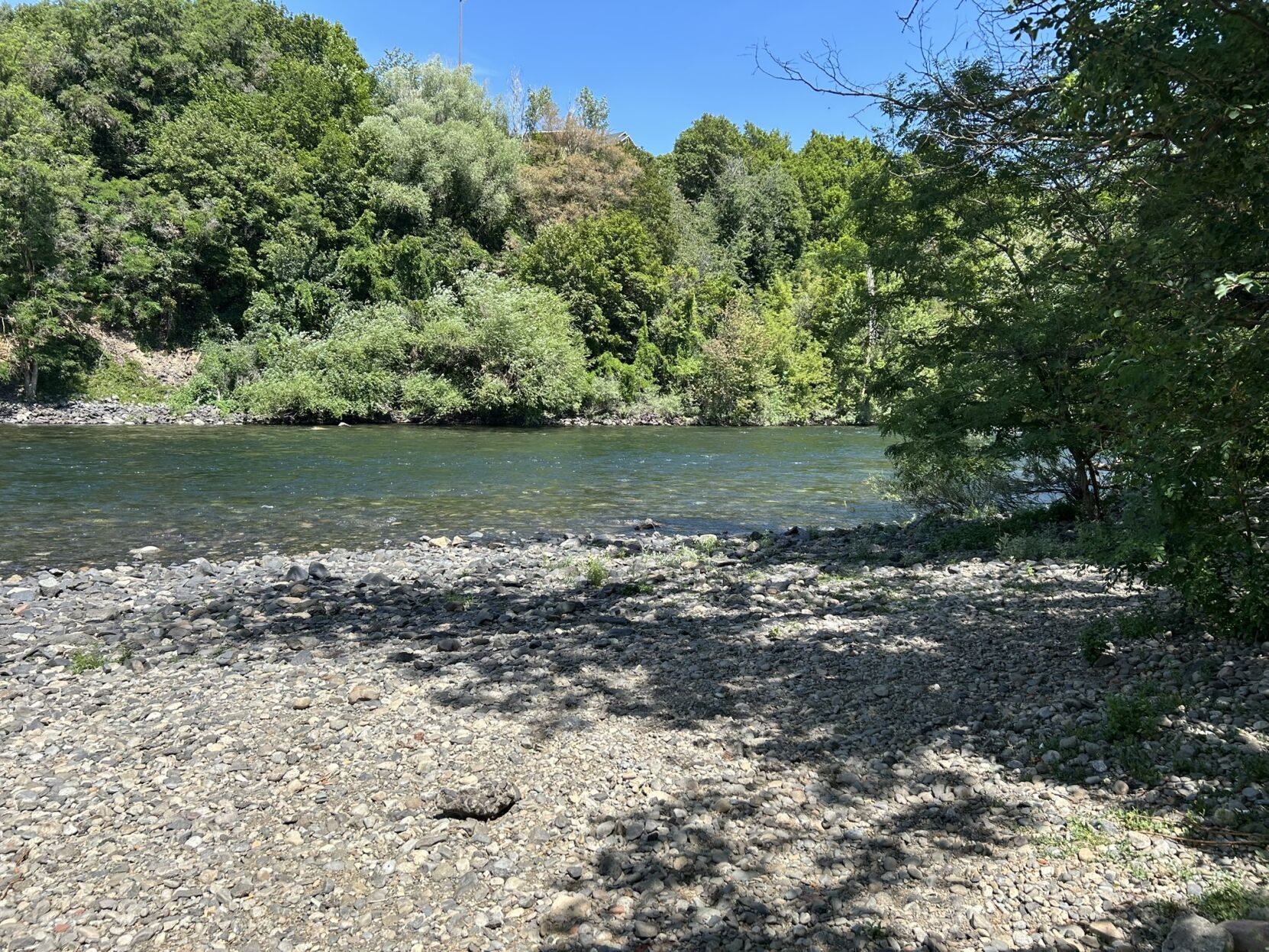
SPOKANE, Wash. — A new study by the Spokane Riverkeeper is providing helpful information about how safe the water is for fishing and swimming this summer.
The research by Spokane Riverkeeper detected PFAS levels above human health standards, as set by the study, both above and below the city’s wastewater treatment plant, with concentrations reaching 6 parts per trillion downstream from the facility.
The study focused on measuring PFAS levels — commonly known as “forever chemicals” — in the Spokane River and Dragoon Creek, particularly around areas where treated sewage biosolids are applied as fertilizer on agricultural fields.
PFAS are synthetic substances that do not break down naturally in the environment or human body. They have been linked to various health issues including cancer, liver damage, and immune system problems.
“We’re looking at PFAS levels above and below the wastewater treatment plant here in the Spokane River. And we’re also looking in Dragoon Creek above and below bio-solids application sites,” said Jule Schultz, waterkeeper for Spokane Riverkeeper.
The biosolids are treated sewage from the Riverside Park Water Treatment Center that is being used as fertilizer on fields in northern Spokane County between Deer Park and Chattaroy. However, runoff from these fields is creating contamination issues downstream.
The study revealed dramatic differences in PFAS concentrations. Dragoon Creek showed significantly higher contamination below biosolids application sites.
“We found significantly more PFAS in the creek below the application site, 5,000% more in fact, violating draft human health standards for these creeks that are designed to protect people that recreate, like fishing,” Schultz said.
The study examined rivers across the country. Spokane had the lowest levels of PFAS detection of all the waterways profiled, however, multiple samples of local water failed EPA thresholds.
The health threshold used in the study was one part per trillion, representing the ratio of contamination to safe water. Upstream from the Riverside treatment plant, the Spokane River showed 1.24 parts per trillion, while downstream measurements reached 6 parts per trillion.
Despite the low concentrations, health advocates said it’s still important to be aware of the dangers of PFAS exposure.
“That’s very, very low concentration. But these things can harm people in very low concentrations,” Schultz explained.
While swimming remains safe according to the study, those who fish in the affected waters should exercise caution due to potential health risks from consuming contaminated fish.
Environmental advocates are pushing for enhanced monitoring and treatment measures. Some are calling for the city of Spokane to obtain permits that would require testing sewage for PFAS before treatment.
“As long as we approach this collaboratively, we can really address this problem and remove biosolids as a source of PFAS from the river in the near future,” said Katelyn Scott, a water protector with Spokane Riverkeeper.
The City of Spokane maintains that its wastewater treatment processes meet current standards and utilize advanced technology.
“The state of Washington has always been extremely ahead of the curve of these things, and we have been very proactive and committed a lot of public funds,” said Kirstin Davis from Spokane Public Works. “We all want the same thing, and we will continue to work together to do that.”
COPYRIGHT 2025 BY KXLY. ALL RIGHTS RESERVED. THIS MATERIAL MAY NOT BE PUBLISHED, BROADCAST, REWRITTEN OR REDISTRIBUTED.