BOISE, Idaho – The team defending accused University of Idaho murder suspect Bryan Kohberger is once again fighting to have the death penalty taken off the table.
Kohberger is accused of killing Madison Mogen, Kaylee Goncalves, Ethan Chapin and Xana Kernodle at a home near campus in November 2022.
The state is seeking the death penalty if he’s convicted and despite a judge previously ruling against the matter, the defense is still fighting to have that option removed.
‘Given his disability, a jury should never be allowed to consider putting him to death’
The defense says Kohberger should not be eligible for execution due to the neurological disorders from which he suffers, including Autism Spectrum Disorder.
The defense says Kohberger developed “deficits” at an early age that continue until now. They said he was treated as a child with special needs and given special instructional support.
They consider this a disability and say executing him would be cruel and unusual punishment.
Right now, the judge in the case is allowing the defense to present their argument on this, but the defense says it should be given a full evidentiary hearing with expert testimony.
“He lacked social-emotional reciprocity and had few friends, he did not understand nonverbal communicative behaviors used for social interaction, and had an inability to develop, maintain, and understand relationships,” the defense writes. “The State seeks death when Mr. Kohberger is a person with an intellectual and neurodivergent physical disability.”
In one argument, the defense says Kohberger’s coordination issues would make it impossible for him to commit the murders in the timeframe police suggest.
However, the prosecution points to an evaluation of Kohberger that says “motor problems have not impacted his functioning significantly in many years.”
Volume of evidence still being reviewed
Leading up to the scheduled trial in Boise this summer, attorneys on both sides are submitting arguments on which testimony and experts should be allowed in front of the jury.
The defense is accusing the prosecution of not being thorough or specific in its discovery disclosures, making it harder for the team to prepare for the trial.
In one motion, the defense says there are 68 terabytes of information and that while the defense team has spent two years “devouring as much of the data as possible… the team has not completed review.”
They call the state’s disclosures “for the most part, abysmal” and “the state’s disclosures can only be described as sandbagging.”
The “bushy eyebrows” debate
In these recent court filings, the defense again takes issue with the jury being able to hear that a man she saw in the house the morning of the murders had “bushy eyebrows.”
The defense says “if [she] is allowed to say that she saw bushy eyebrows, it will be no different than her pointing to Mr. Kohberger and saying ‘that is him’.”
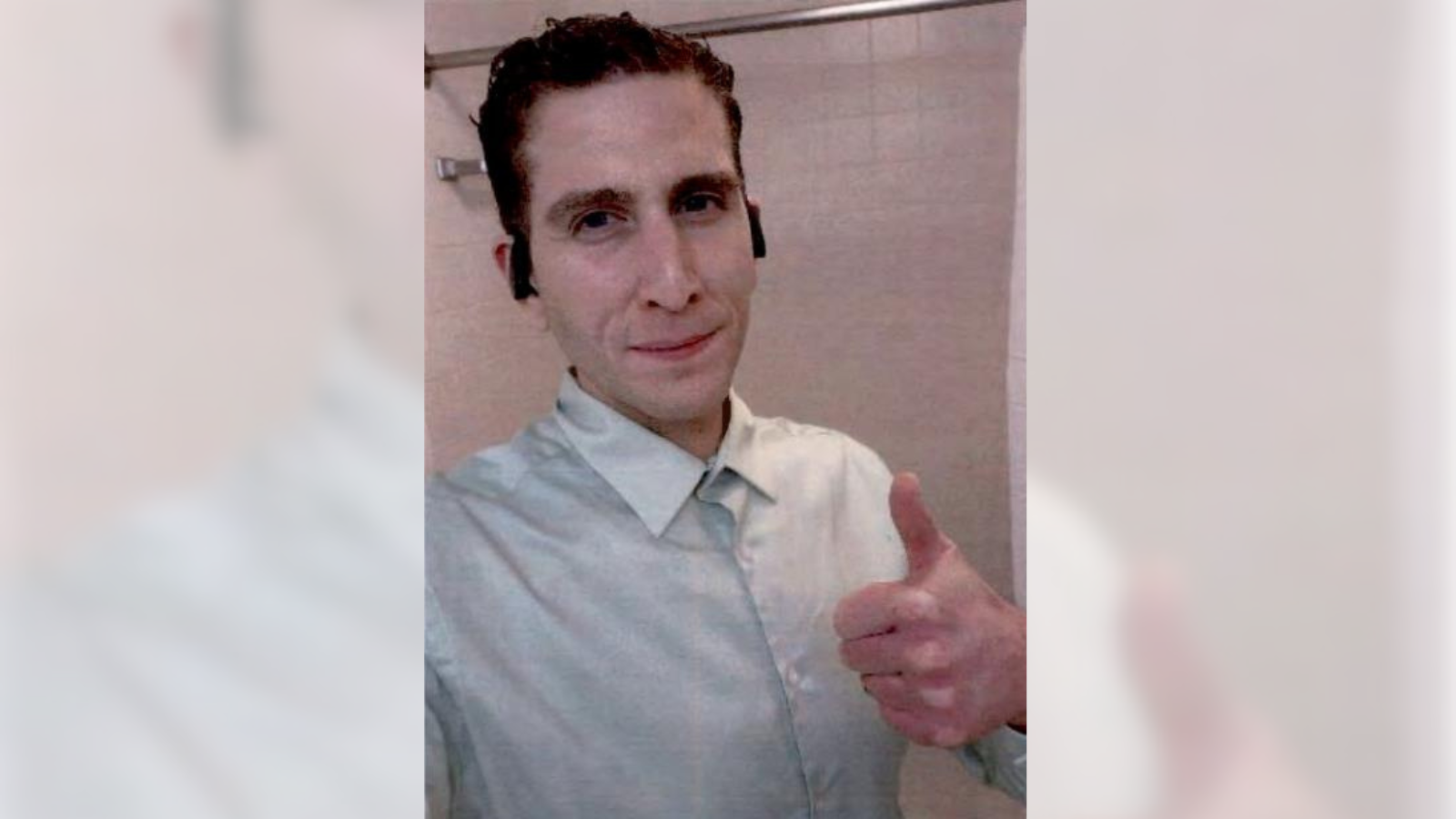
The defense took issue with prosecutors wanting to introduce a selfie Kohberger took several hours after the murders took place, calling the photo prejudicial.
Attorneys say the witness could never identify Kohberger for certain and the defense believes showing the picture implies that she did.
“This is how wrongful convictions occur,” the defense writes. “There are literally millions of people in the world who might be described as having bushy eyebrows. The term itself is subjective.”
The defense questions the roommate’s reliability as a witness entirely because of “the limited amount of time that [she] had to view the intruder or her state of intoxication.”
That witness told police she saw the intruder briefly and that she was “very drunk and tired” when she saw him.
Texts and 911 calls
The two sides are also arguing about admissibility of the 911 calls and text messages two surviving roommates sent in the hours after the murders.
The defense argues that much of what was said on the 911 call was hearsay and shouldn’t be allowed.
In its response filed this week, the prosecution goes line-by-line through a transcript of that 911 call, identifying why each part should be allowed.
The judge will hear these motions in a scheduled hearing in April.
COPYRIGHT 2025 BY KXLY. ALL RIGHTS RESERVED. THIS MATERIAL MAY NOT BE PUBLISHED, BROADCAST, REWRITTEN OR REDISTRIBUTED.