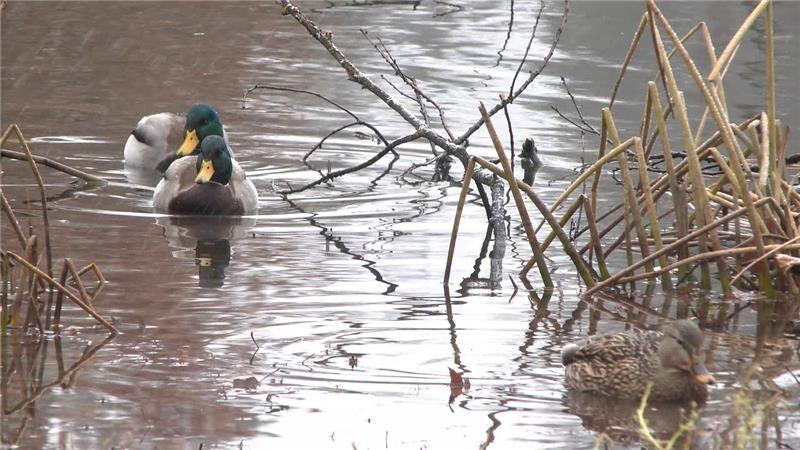
With the rise of bird flu across the Inland Northwest, it’s important you know what to do to protect your animals from potential exposure.
The bird flu, also known as H5N1, is hitting Washington’s wildlife hard and has been found in many flocks. The latest strain has proven to be more resistant and deadly for chickens and ducks.
Human transmission remains low, but officials said the flu has spread to other mammals including bobcats, raccoons and cougars.
“The Center for Disease Control has said all along that as the viruses evolve, there is the potential for that to happen,” said Staci Lehman, Washington Department of Fish & Wildlife.
Despite the risk of it spreading to humans being low, the WDFW said it’s better safe than sorry.
“There are cases of it popping up everywhere. So, we continue to watch for that and encourage people to take some measures to keep themselves and their pets safe from it and from spreading it,” said Lehman.
WDFW said it does not have the resources to respond to every call about a dead bird on someone’s property, so you’ll most likely end up needing to get rid of a dead bird on your own.
“We do ask people to help us out by, in the wild, just leaving it. Nature will take its course. And in the community, or your neighborhood, picking it up,” said Lehman.
Officials said if you are going to pick up a dead animal, take extra precautions by wearing an N95 mask and disposable gloves. Then, double-bag the dead animal, and throw it away or burn it.
Disposing of the animal carcass is crucial in preventing another animal from potentially making it a snack.
For more information on bird flu and safety tips, visit CDC.gov and wdfw.wa.gov.
COPYRIGHT 2024 BY KXLY. ALL RIGHTS RESERVED. THIS MATERIAL MAY NOT BE PUBLISHED, BROADCAST, REWRITTEN OR REDISTRIBUTED.