SPOKANE, Wash. — As colder, darker months settle in, many people notice changes in their mood and energy levels, but there’s some things you can do to help.
According to the American Psychiatric Association, around 5% of Americans experience Seasonal Affective Disorder (SAD).
SAD is a form of depression that typically arises during the fall and winter months, when sunlight is limited.
Symptoms include a lack of motivation, overwhelming sadness, and reduced interest in activities once enjoyed. The condition is especially prevalent in regions like the Pacific Northwest.
For some, the “winter blues” may not develop into full-blown depression but can still cause feelings of sadness or a desire to isolate. However, they remain functional in their daily lives.
When to Seek Help
Mental health practitioner Ahmad Hassan Bennett of MultiCare emphasizes the importance of recognizing when these feelings interfere with daily life.
“You should start seeking professional help when your feelings and symptoms stop you from living your life. If you’re struggling to go to work, struggling to go to school, struggling to do the things that you enjoy, or when you lose interest in the things you really like to do,” Bennett said.
Additional signs include difficulty concentrating, persistent fatigue, and significant weight changes.
Bennett also encourages parents to be vigilant about changes in their children’s behavior.
“If we’re struggling to really show up for the things that give us purpose—let’s say we have a young person in sports, and they love sports, but they just can’t seem to wrap their head around getting ready for that or participating—there might be an issue,” he said.
Parents can check in with their children indirectly, ask questions, and communicate with teachers to identify any shifts in school behavior. If concerns arise, Bennett advises reaching out to a primary care provider for guidance.
Tips for Coping
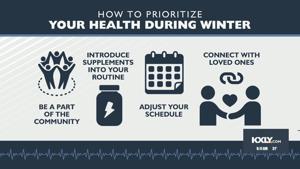
Bennett offers several suggestions to help manage seasonal challenges:
Engage with your community: Whether online or in-person, staying socially connected is key.Consider supplements: Adding Vitamin D-3 or Vitamin B to your routine may help combat the effects of limited sunlight.Adjust your schedule: Incorporate regular exercise or other mood-boosting activities into your day.Communicate with loved ones: Let friends and family know this time of year is difficult for you and ask them to check in.
Resources for Help
If you or someone you know is struggling, call 2-1-1 to learn more about mental health resources and insurance options. You can also contact a medical professional for additional support.
COPYRIGHT 2024 BY KXLY. ALL RIGHTS RESERVED. THIS MATERIAL MAY NOT BE PUBLISHED, BROADCAST, REWRITTEN OR REDISTRIBUTED.