SPOKANE, Wash. — Newly released data shows the rate of babies born dependent on substances is exponentially higher in Spokane compared to the rest of the country.
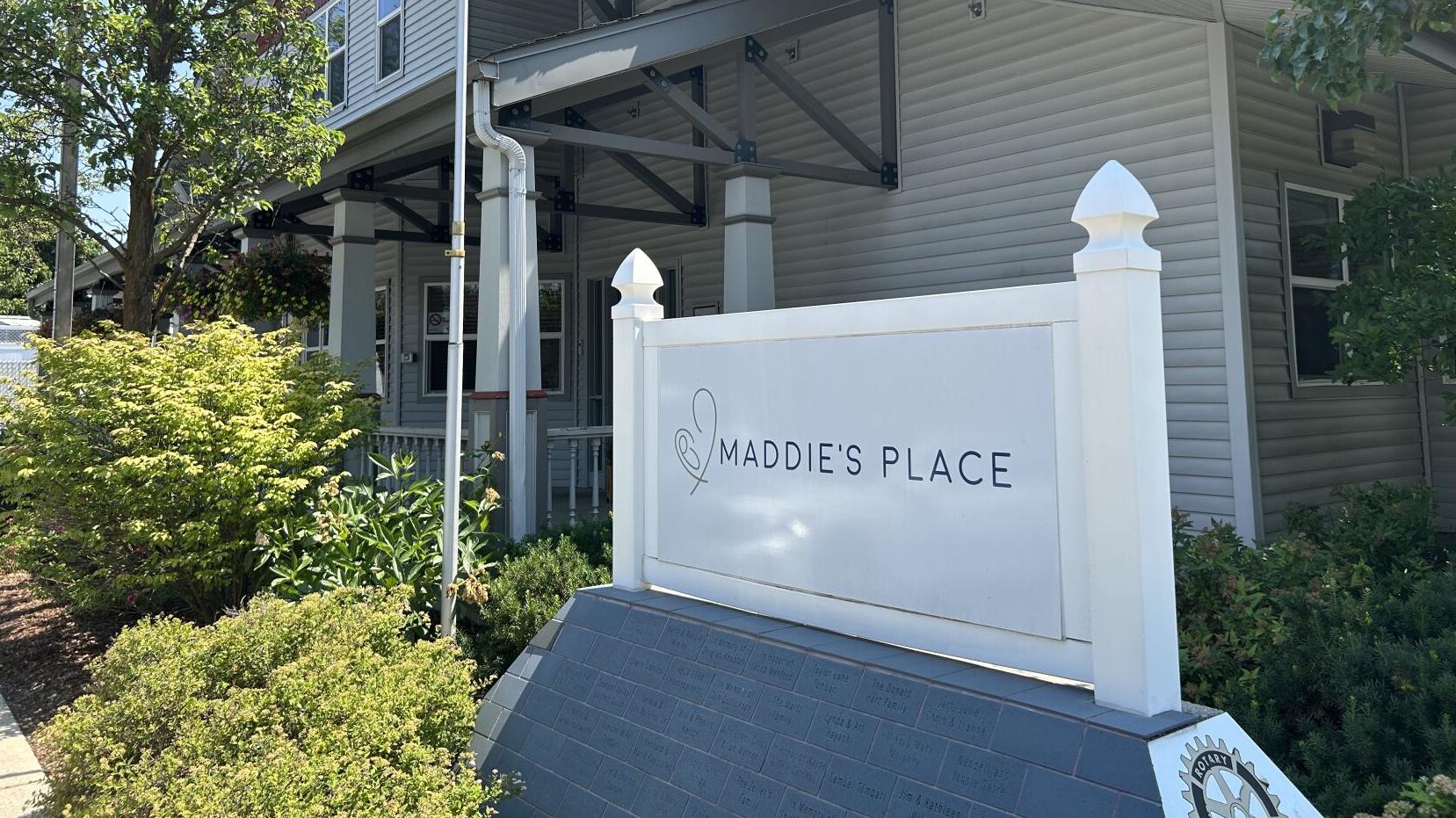
The Washington State Legislature created a pilot project in 2023 that funds operations at Maddie’s Place, a Spokane-based nonprofit that cares for babies born addicted to drugs. A part of that legislation required a final report from the Washington State Health Care Authority on December 1st, but a delay in that being released pushed Maddie’s Place to take matters into its own hands by releasing a draft of the report.
“What I am trying to do is raise the alarms in saying this is a huge problem,” said Shaun Cross, the president of Maddie’s Place. With the Legislative Session coming up, Cross wanted to ensure policymakers were aware of the staggering data in this report.
“Spokane is a hotspot for this,” said Cross. The data disclosed neonatal abstinence syndrome (NAS) was 340% as frequent here in 2022 as the national average in 2021.
NAS is a condition where babies are born with substance withdrawal due to drug exposure in the womb. Cross fears this issue has gone unseen for too long.
“It is a secret problem,” he said. “My experience is that it is just not discussed, and as long as people don’t know it’s a problem, it is out of sight, out of mind.”
Cross is most concerned about the the data we do not know at this time. Over the last two years overdose response in Spokane County has more than doubled. Cross fears the prevalence of NAS might have as well.
“We are in a free fall, and we do not have any data,” Cross said.
Beyond the prevalence of NAS, the draft report states that local providers have seen a drop in maternal and neonatal care efficiency.
“It is not working. It is expensive. It is a disaster for the moms and we think we have come upon a model that is incredibly powerful. We need to be funded for it,” Cross said.
Maddie’s Place provides free care in a low-stress, homelike environment. Those at the nursery hope the positive results they have had shines a light on the good work that can be done to address this issue.
“We’ve got the opportunity to go upstream and figure out why this is happening and stop it from happening in a really dramatic way,” said Tolley.
COPYRIGHT 2024 BY KXLY. ALL RIGHTS RESERVED. THIS MATERIAL MAY NOT BE PUBLISHED, BROADCAST, REWRITTEN OR REDISTRIBUTED.