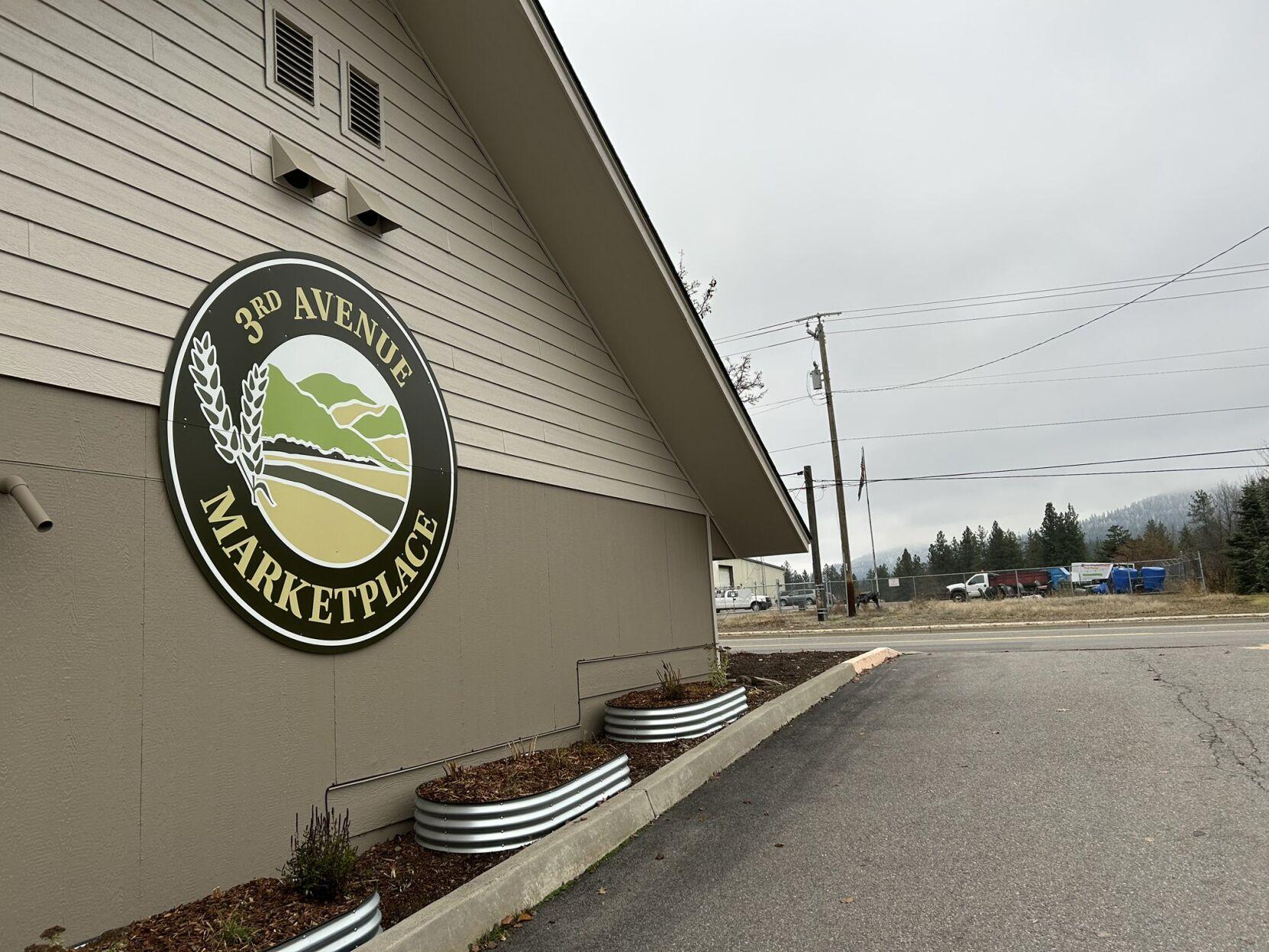
POST FALLS, Idaho — A new report by Hunger Free America says the number of people in Idaho who don’t know where their next meal is coming from has increased 86% in the past three years.
“We saw this dramatic spike and we were actually just spilling out the doors,” said Leslie Orth, the executive director of 3rd Avenue Marketplace in Post Falls. “We had people waiting outside all seasons of the year. It’s just too small. We couldn’t accommodate everybody who needed help.”
In order to meet the community’s growing demand, 3rd Avenue Marketplace moved a little further down the road, more than doubling its square footage.
“Now we’re able to manage all the people that need to come in,” Orth said.
With the new space, 3rd Avenue Marketplace can now offer a grocery store experience which allows community members to choose how to fill their plates.
“It’s been wonderful because not only has it given our clients the dignity and choice, but it’s also given them the opportunity in charge of having themselves,” said Lori Weaver, case manager and guest specialist.
More storage and market space were a necessity to keep up with demand in recent years.
“We try to change the stigma attached to food banks and shifted to the market,” Orth said. “I wanted the name to really represent what we were and then our 3rd Avenue Market. That’s why we take the Post Falls Food Bank out of the name.”
With two stories of storage, 12 staff and around 50 volunteers each week, the marketplace welcomes all community members.
“It can be so life changing to have additional income at the end of the month to pay your childcare. It’s such a burden off them an we’re right here. I don’t think everybody that can use our services is aware of it,” Orth said.
The nonprofit is completely supported by community donations which could be either money, volunteer hours or food donations.
“We get a lot of people that will donate in October, November, December and then we kind of get forgotten about. People move on. So we will struggle with getting enough of a variety of foods in here in January, February, March and even summer sometimes,” Orth said.
The marketplace is designed to be transitional, a place for people to come when they need help making ends meet. Staff can also direct them to find other resources in the community, too.
“Resources for energy, electricity, for gas, for the children. There’s so many other things that they’re not really focusing on because of thinking of the immediate need for food,” Weaver said.
COPYRIGHT 2024 BY KXLY. ALL RIGHTS RESERVED. THIS MATERIAL MAY NOT BE PUBLISHED, BROADCAST, REWRITTEN OR REDISTRIBUTED.