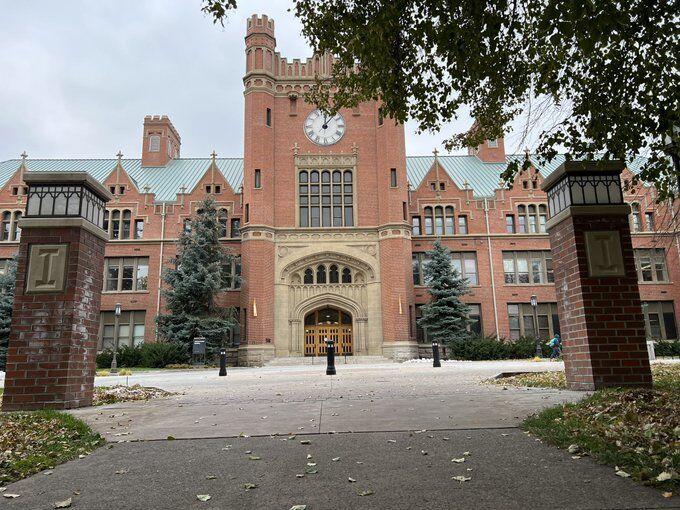
MOSCOW, Idaho — Kids have been back in the classroom for the past few years after the pandemic, but learning loss is still a concern for many parents.
Professors at the University of Idaho knew it was time to make a change to their curriculum when they noticed students were not showing success in math courses.
Since 2019 to 2021, there was a steep increase in University of Idaho students who were earning D grades or lower in their introductory math classes.
While the percentage increased slightly in the last two years, data shows that last year, there were still a little more than 40% of students that were not passing these basic courses.
Last year, the university hired Tim Boester who came ready to organize a change in curriculum. Together with his colleagues, Boester reworked the first two introductory math courses at the university to streamline the content.
“This semester is really the first semester that we are implementing brand new curricula, brand new instruction, brand new tools for our students to use. So far, we’re seeing very positive results,” Boester said.
Now, more than 50% of students are on track to pass the course, the highest percentage in years.
“We’re seeing that in passing rates. We’re seeing that in test scores, but we’re also seeing it in the student’s attitudes toward mathematics and what they’re doing in the classroom,” Boester said.
Boester said since returning to in-person classes, he challenges his students to explain what they’re learning to their classmates, which helps them understand how concepts build on each other.
“It takes some time for the students to adapt to that if they’ve never been asked to explain their thinking before or talk to their neighbor about why their solution makes sense to them,” Boester said.
Boester said he’s hopeful to see grades continue to improve once everything is finalized at the end of the semester.
Student learning loss from the pandemic is a real concern for both teachers and parents. Jerry Post, the owner of the tutoring center Mathnasium says it’s changed the way they teach kids.
“The first step is just talking to your student and having a conversation about where they are struggling,” Post said. “Don’t be afraid to ask questions that might be tricky.”
Boester encourages parents who are worried about their child’s learning loss to stay positive and encourage learning in any capacity. There are resources to help your child learn specific concepts in math, English or science. He says promoting learning and education in general is the real formula for success.
COPYRIGHT 2024 BY KXLY. ALL RIGHTS RESERVED. THIS MATERIAL MAY NOT BE PUBLISHED, BROADCAST, REWRITTEN OR REDISTRIBUTED.